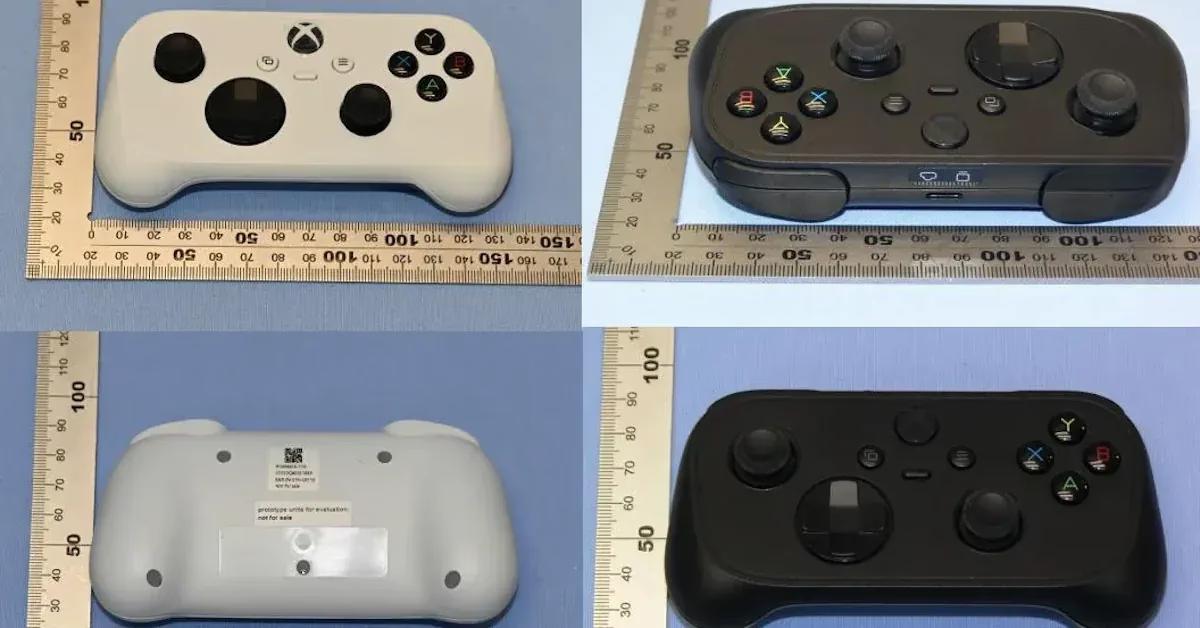
The gaming world is buzzing with excitement as Valve prepares to release its highly anticipated second-generation Steam Controller. After years of speculation and leaked information, PC gamers finally have a concrete launch date and comprehensive technical details about this innovative peripheral that promises to revolutionize how we interact with our favorite games.
🎮 Launch Details and Pricing Strategy
Mark your calendars for May 4, 2026 – that's when Valve's latest creation officially hits the market. The company has set the retail price at $99 (€99 / £85), positioning the controller in a competitive middle ground between standard console gamepads and premium gaming peripherals. This pricing reflects the device's sophisticated PC navigation hardware and specialized features that set it apart from conventional controllers.
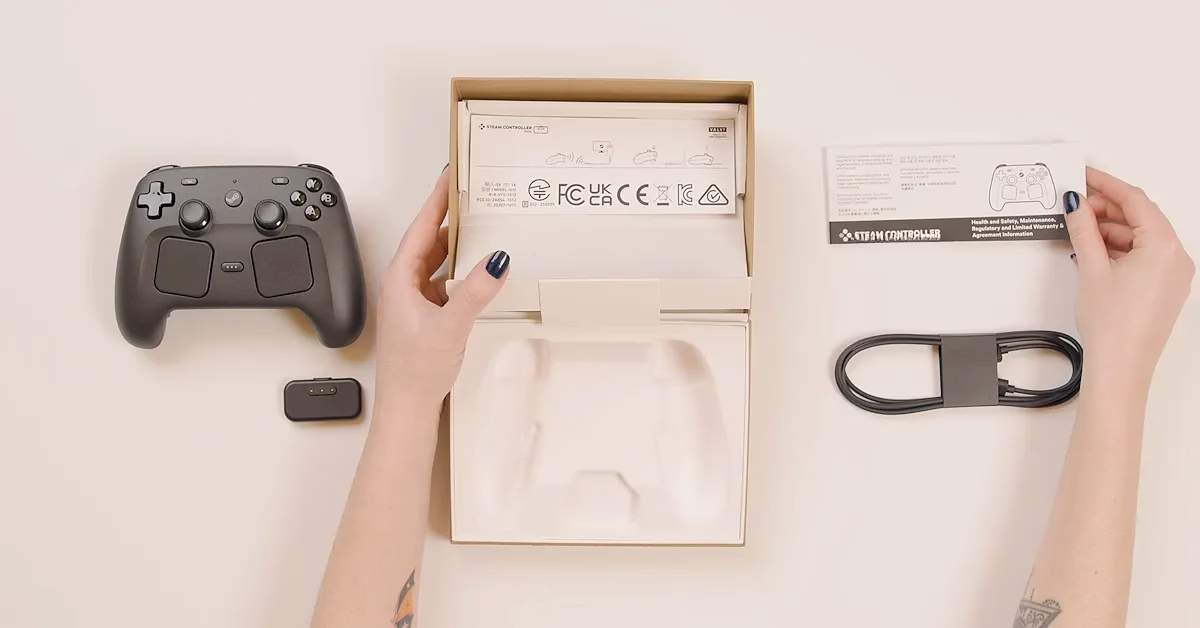
The package comes complete with everything needed to start gaming:
-
The Steam Controller itself
-
A USB-C cable for wired connectivity
-
A proprietary magnetic charging puck
While this price point sits $25 above the PlayStation 5 DualSense and $35 higher than the Xbox Wireless Controller, the investment targets a specific audience: PC gamers seeking desktop navigation capabilities alongside traditional gaming controls. Compared to premium alternatives that can exceed $200, Valve's offering provides exceptional value for its feature set.
🔧 Revolutionary Technical Innovations
Valve has completely reimagined the controller experience by addressing one of gaming's most persistent problems: stick drift. The second-generation device features cutting-edge TMR (Tunnel Magnetoresistance) thumbsticks developed in collaboration with K-Silver. This groundbreaking technology combines:
| Feature | Benefit |
|---|---|
| Low Power Consumption | Extended battery life matching traditional potentiometers |
| Mechanical Immunity | Complete resistance to stick drift like Hall effect sensors |
| Precision Input | Consistent accuracy throughout the device's lifespan |
The controller abandons the controversial design of its 2015 predecessor, opting instead for familiar ergonomics that gamers already know and love. However, Valve hasn't sacrificed innovation for comfort – they've seamlessly integrated advanced sensors that deliver competitive-level accuracy.
🖱️ Desktop Navigation Meets Console Comfort
What truly distinguishes this peripheral from traditional gamepads is its dual-purpose design philosophy. Valve engineered the controller specifically to bridge the gap between couch gaming and complex desktop management, creating a versatile tool for the modern PC gamer.
The interface centers around dual 34.5 mm square trackpads that dominate the controller's surface. These precision inputs enable players to:
-
Navigate real-time strategy games with unprecedented accuracy
-
Control Windows operating system directly from their couch
-
Execute complex desktop tasks without reaching for a mouse
-
Manage intricate game interfaces requiring precise cursor control
🎯 Innovative Grip Sense Technology
Perhaps the most ingenious feature is Grip Sense – a capacitive touch system embedded within the controller handles. This technology activates a 6-axis gyroscope for motion aiming when you firmly grip the controller. The brilliance lies in its simplicity: to reset your aim, you simply loosen your grip.
Valve compares this intuitive system to the natural action of picking up a physical mouse at the edge of a mousepad to recenter your cursor. It's a mechanical solution that feels organic rather than forced, requiring no additional button presses or complex input combinations.
⚡ Performance That Rivals Esports Equipment
Skeptics might question whether a wireless controller can truly compete with dedicated gaming peripherals, but independent testing has silenced doubters. Hardware analysis outlet Gamers Nexus conducted extensive testing that confirms Valve's ambitious technical claims.
Latency Benchmarks 🏆
The results speak for themselves:
Wired Performance:
-
Average end-to-end system latency: 19 milliseconds
-
Only 4ms behind high-performance ASUS ROG gaming mice
-
Competitive-level response times for esports applications
Wireless Performance:
-
Latency via magnetic Puck: 21.6 milliseconds
-
Minimal performance degradation compared to wired mode
-
Response times that exceed most wireless gaming peripherals
These numbers place the Steam Controller in elite company, delivering performance previously reserved for premium wired gaming mice. The 2.4 GHz wireless transmission through the magnetic Puck maintains exceptional responsiveness while providing the freedom of wireless gaming.
🔋 Battery Life That Exceeds Expectations
Valve's conservative estimates promised a respectable 35-hour battery life from the internal 8.39 Wh Li-ion battery. However, automated input testing revealed the controller's true endurance capabilities, with continuous use extending to an impressive 73 hours before disconnection.
This performance doubles Valve's official claims, suggesting the company deliberately under-promised to avoid disappointing users. For most gamers, this translates to weeks of regular gaming sessions before needing to recharge. The magnetic Puck doubles as a charging station, making it effortless to maintain the controller's charge between gaming sessions.
🎭 The Software Dependency Consideration
No device is perfect, and the Steam Controller has one notable limitation: mandatory Steam client integration. The controller requires connection through Steam's software to translate its advanced inputs properly. This dependency creates potential friction for gamers who frequently use alternative platforms.
Players launching titles through:
-
Epic Games Store
-
Ubisoft Connect
-
GOG Galaxy
-
Other non-Steam platforms
Must manually route their games through Steam's layout software for the controller to function correctly. While this extra step adds complexity, it's a reasonable tradeoff for accessing the peripheral's full feature set. The Steam Input API provides extensive customization options that justify this requirement for most users.
🚀 Context Behind the Launch Timeline
The May 4, 2026 release date follows months of speculation and leaked information. Database updates on Komodo Station and promotional video leaks gradually revealed details before Valve's official announcement. Originally, the company planned to launch the controller alongside the delayed Steam Machine console and Steam Frame VR headset.
Unlike those hardware products facing supply chain constraints with system RAM and other components, the controller successfully navigated manufacturing challenges. This allowed Valve to maintain the launch schedule while their other hardware initiatives faced postponement.
💡 Who Should Consider This Controller?
The second-generation Steam Controller targets specific user profiles:
✅ Ideal For:
-
PC Strategy Gamers: RTS and 4X strategy enthusiasts requiring precise cursor control
-
Couch PC Gamers: Users wanting comfortable desktop navigation from their living room
-
Steam Deck Owners: Those seeking input parity between portable and desktop gaming
-
Competitive Gamers: Players requiring low-latency wireless performance
-
Multi-Genre Players: Gamers switching between controller-based and mouse-driven titles
❌ Less Suitable For:
-
Console-exclusive gamers satisfied with standard gamepads
-
Players who primarily use non-Steam gaming platforms
-
Users seeking the absolute cheapest controller option
-
Gamers who prefer traditional dual-stick layouts without trackpads
🎊 Final Thoughts
Valve's second-generation Steam Controller represents a thoughtful evolution of PC gaming input devices. By addressing the original model's controversial design choices while incorporating cutting-edge TMR technology and innovative Grip Sense controls, the company has created a peripheral that genuinely expands gaming possibilities.
The $99 price point positions it as a premium option justified by specialized capabilities. Independent testing confirms that performance claims aren't marketing hyperbole – this controller delivers competitive-level latency and exceptional battery life. The dual trackpad design successfully bridges traditional gaming and desktop navigation in ways standard controllers cannot match.
While Steam client dependency may inconvenience users of multiple gaming platforms, this limitation enables the advanced customization and input translation that make the controller special. For PC gamers invested in the Steam ecosystem seeking a versatile input device that works equally well for Civilization, Counter-Strike, and Windows navigation, this peripheral deserves serious consideration.
As the gaming landscape continues evolving toward hybrid experiences blending console comfort with PC precision, Valve's latest controller arrives at the perfect moment. Whether you're commanding armies from your couch, competing in fast-paced shooters, or simply browsing the web without leaving your gaming chair, the second-generation Steam Controller promises to deliver the performance and versatility modern PC gaming demands. 🎮✨ And when you're ready to expand your game library, DealNest can help you compare Control prices to get the best deal.