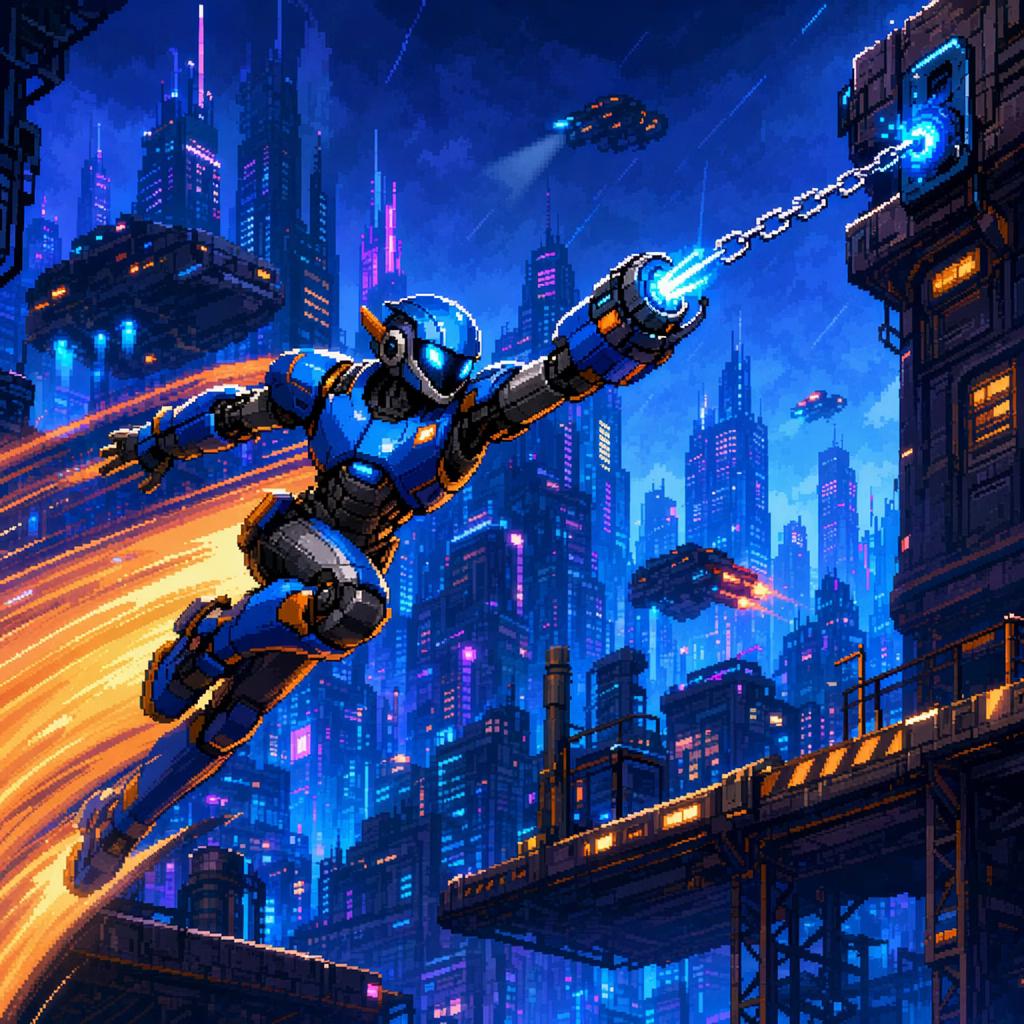

The survival game genre has evolved dramatically in recent years, offering players diverse experiences that challenge their resourcefulness, creativity, and determination. For those who have enjoyed the prehistoric challenges of ARK Survival Ascended, a wealth of alternatives exists that capture similar gameplay elements while introducing unique twists and settings. These titles range from mythological Viking adventures to microscopic backyard survival, each offering distinct mechanics that appeal to different aspects of the survival experience.
🌲 Nordic Mythology Meets Survival: Valheim
Valheim transports players into a realm inspired by Norse mythology, where the afterlife becomes a proving ground for fallen warriors. The game distinguishes itself through its procedurally generated world divided into distinct biomes, each presenting unique challenges and resources. Players begin in the relatively safe Meadows, gradually expanding their reach into increasingly dangerous territories like the Black Forest, Swamp, Mountains, and Plains.

The progression system revolves around defeating powerful bosses that guard each biome, unlocking new crafting recipes and abilities. Base building in Valheim emphasizes architectural integrity, requiring players to consider structural support and weathering when constructing their longhouses. The combination of exploration, combat, and building creates a satisfying gameplay loop that rewards both careful planning and bold adventuring.
Combat and Cooperative Elements
The combat system blends strategic blocking and dodging with a stamina management system that keeps encounters tense and engaging. Multiplayer functionality allows up to ten players to cooperate, making ambitious building projects and boss encounters more manageable while fostering a sense of community achievement.
🏝️ Island Survival: Stranded Deep

Stranded Deep offers a more intimate survival experience, focusing on the struggle of a plane crash survivor navigating the Pacific Ocean's deserted islands. The game emphasizes realistic resource management and crafting, where every decision carries weight. Players must balance immediate needs like hunger, thirst, and shelter against long-term goals of escaping the archipelago.
The procedurally generated world consists of numerous small islands, each offering different resources and challenges. Underwater exploration adds another dimension, with shipwrecks and sea life providing both opportunities and dangers. The crafting system allows players to build rafts, bases, and tools from scavenged materials, creating a sense of genuine accomplishment with each successful creation.
Key Survival Mechanics:
-
Dynamic weather system affecting gameplay
-
Realistic injury and illness treatment
-
Limited inventory requiring strategic resource collection
-
Day-night cycles impacting visibility and creature behavior
🌿 Psychological Survival: Green Hell
Green Hell elevates survival gaming through its sophisticated approach to physical and mental health management. Set in the unforgiving Amazon rainforest, players must navigate dense jungle while monitoring not just traditional survival metrics but also their character's psychological state. The game's story-driven campaign explores themes of isolation and human resilience while teaching genuine survival techniques.

The inspection system allows players to examine their body for injuries, parasites, and infections, requiring appropriate treatment using crafted medicines and tools. This attention to detail extends to the nutrition system, where players must balance their diet across carbohydrates, proteins, fats, and hydration to maintain optimal performance.
Indigenous Knowledge Integration
The game incorporates authentic survival knowledge from indigenous Amazonian peoples, teaching players to identify edible plants, create natural medicines, and build appropriate shelter. This educational element adds depth to the experience, transforming survival from arcade-style mechanics into a more grounded simulation.
🐜 Miniature Adventure: Grounded

Grounded reimagines survival gaming through a radically different lens—literally. Players experience life at the size of an ant in a suburban backyard transformed into a vast wilderness. Common garden insects become formidable predators, while everyday objects serve as towering landmarks and resource nodes. This creative premise allows for familiar survival mechanics presented in an entirely novel context.
The game features a robust base-building system where players construct multi-story structures from grass, stems, and other natural materials. Technology progression unlocks through analyzing various creatures and objects found throughout the yard, encouraging exploration and experimentation. The tier-based armor and weapon systems provide clear progression milestones while maintaining the game's quirky aesthetic.
Unique Features:
-
😱 Arachnophobia mode for spider encounters
-
🏗️ Multi-level base construction with zip lines
-
🔬 Research system unlocking new blueprints
-
👥 Four-player cooperative gameplay
⚔️ Barbarian Survival: Conan Exiles
Conan Exiles embraces the brutal aesthetic of Robert E. Howard's Hyborian Age, offering a survival experience steeped in sword-and-sorcery fantasy. The game's vast open world spans diverse environments from scorching deserts to frozen tundras, each inhabited by unique creatures and challenges. Unlike many survival games, Conan Exiles places significant emphasis on conquest and domination alongside traditional survival elements.

The thrall system allows players to capture NPCs and convert them into workers, guards, and crafters, adding a strategic layer to base development. Building options range from simple desert camps to massive stone fortresses, with a purge system that periodically sends waves of enemies against established bases, ensuring players remain engaged even after securing basic survival needs.
Religious and Magical Systems
Players can choose to worship various gods from the Conan universe, each granting unique abilities and avatar summons. The sorcery system, introduced in later updates, provides powerful but costly magical abilities that complement traditional combat and survival strategies.
🔧 Competitive Survival: Rust

Rust represents the hardcore end of survival gaming, where other players pose the greatest threat. Starting with nothing more than a rock and torch, players must quickly gather resources, build shelter, and establish defenses against both environmental hazards and rival players. The game's emphasis on PvP creates intense, high-stakes gameplay where alliances and betrayals shape the experience.
The building system allows for highly customizable bases, with players constantly innovating new defensive designs and raiding techniques. Progression from primitive weapons to modern firearms creates distinct gameplay phases, with early, mid, and late-game scenarios offering different challenges and strategies. Monthly server wipes ensure fresh starts and maintain population balance.
🚗 Vehicular Creation: TerraTech
TerraTech combines survival elements with vehicle construction and combat, allowing players to design custom machines from modular blocks. The game emphasizes creativity in engineering, with players building everything from simple resource gatherers to complex combat vehicles. Resource collection, enemy encounters, and base defense all occur through the lens of vehicular gameplay.
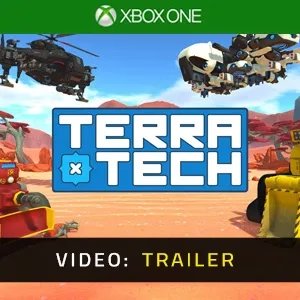
Combat encounters test both design prowess and piloting skill, as players face AI-controlled enemies with increasingly sophisticated builds. The tech tree progression unlocks new blocks and capabilities, encouraging experimentation with different vehicle configurations. Campaign mode provides structured objectives while creative mode removes resource limitations for pure building enjoyment.
🚀 Space Exploration: Astroneer

Astroneer shifts survival gaming into the cosmos, where players explore and terraform alien worlds. The terrain deformation mechanics allow for extensive environmental manipulation, enabling players to reshape planets for resource collection and base construction. Each celestial body presents unique resources and challenges, encouraging systematic exploration of the solar system.
The game's power generation and distribution system requires careful planning, with solar panels, wind turbines, and RTGs providing different advantages depending on planetary conditions. Research and crafting progression follows a modular approach, with players printing new equipment and vehicles using collected resources. The gentle learning curve and charming aesthetic make space survival accessible while maintaining depth.
Cooperative Space Colonization
Multiplayer functionality allows up to four players to jointly establish bases and explore planets. The shared resource pool and coordinated exploration create opportunities for division of labor, with players specializing in different aspects of colony management.
🛸 Engineering in Space: Space Engineers
Space Engineers delivers a complex physics simulation combined with survival elements, where players construct spacecraft, space stations, and planetary outposts. The voxel-based building system allows for incredible detail and customization, with functional systems for power, life support, thrust, and weapons all requiring proper engineering.

Survival mode introduces resource scarcity, oxygen management, and hostile encounters that test engineering solutions under pressure. The game rewards creativity and technical problem-solving, as players design everything from small mining ships to capital-class warships. Programming blocks allow for automation and complex systems, appealing to players who enjoy technical challenges.
Engineering Highlights:
| System | Complexity | Impact |
|---|---|---|
| Power Generation | Medium | Essential for all functions |
| Propulsion | High | Determines mobility |
| Weapons Systems | High | Combat effectiveness |
| Life Support | Low | Survival necessity |
| Cargo Management | Medium | Resource collection |
🦄 Creature Companions: Palworld

Palworld merges creature collection mechanics with open-world survival, creating a unique hybrid experience. Players capture and befriend Pals—diverse creatures with distinct abilities—that assist in combat, resource gathering, and base management. The game's crafting and building systems integrate seamlessly with creature management, as different Pals excel at different tasks.
The open world encourages exploration through varied biomes and hidden secrets, with stronger Pals inhabiting more dangerous regions. Combat combines direct player action with Pal abilities, requiring strategic team composition and tactical decision-making. Base automation through Pal labor allows players to focus on exploration and expansion while their companions handle routine tasks.
Ethical Gameplay Considerations
The game includes controversial mechanics around creature treatment and utilization, sparking discussions about player agency and moral choices in gaming. These elements, while optional, add complexity to the relationship between players and their Pals.
Conclusion: Finding Your Perfect Survival Experience
The diversity within the survival genre ensures that players seeking alternatives to ARK Survival Ascended will find experiences tailored to their preferences. Whether drawn to realistic simulation, competitive PvP, creative construction, or fantastical settings, these games offer compelling survival challenges that test player ingenuity and perseverance. Each title brings unique mechanics and atmospheres while maintaining the core appeal of starting with nothing and building towards mastery of hostile environments. The continued evolution of survival games in 2026 promises even more innovative approaches to this enduring genre, blending traditional mechanics with fresh ideas that push boundaries and redefine what survival gaming can achieve. 🎮 Find ARK: Survival Ascended best deals on DealNest.