
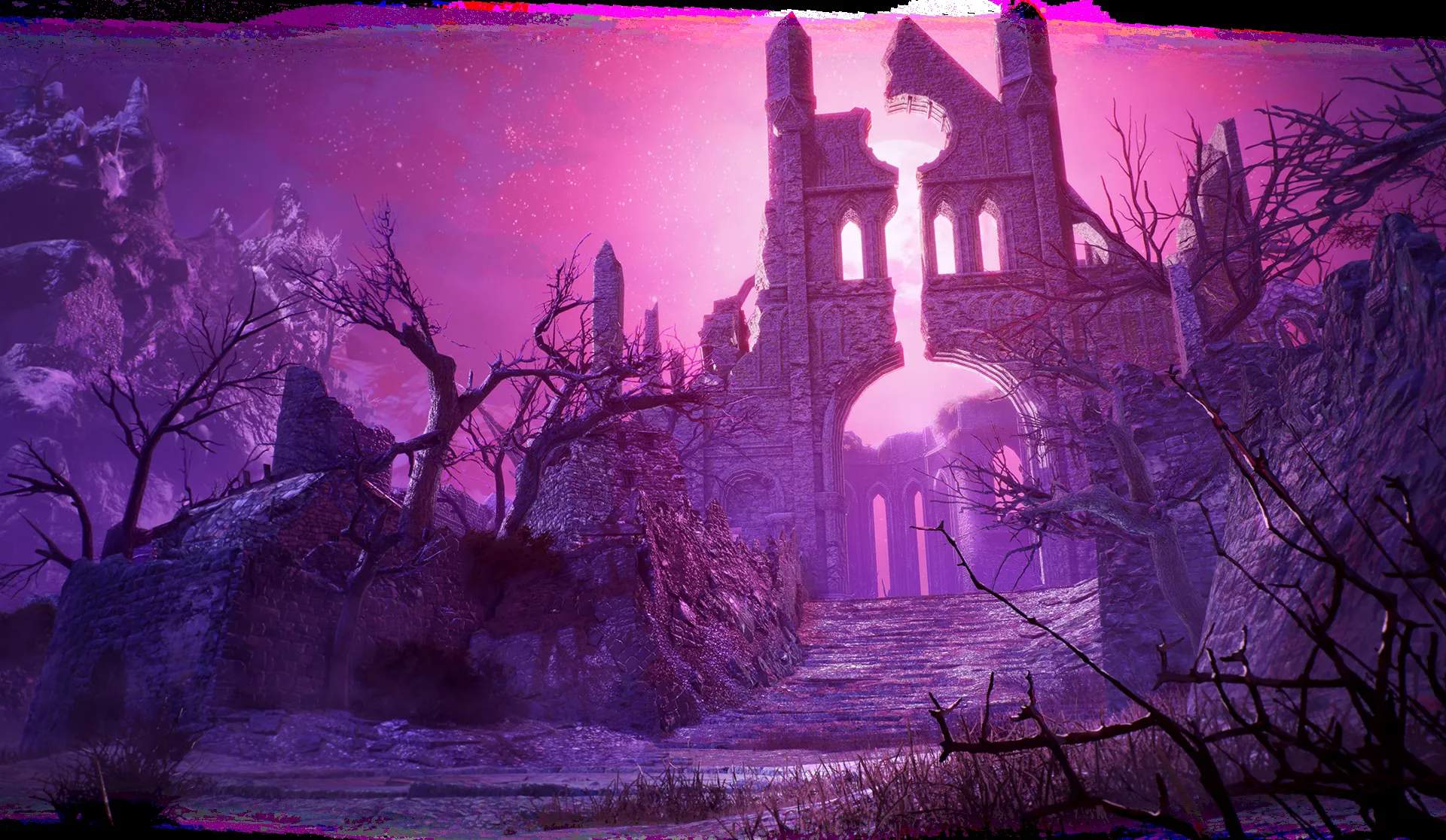
When Capcom dropped the Sunbreak expansion trailer showcasing the Citadel map, hunters around the globe collectively gasped at what awaited them. This wasn't just another hunting ground—it was a masterpiece of environmental storytelling wrapped in danger and mystery. The expansion, which arrived as a massive content injection for Monster Hunter Rise, promised to transform the hunting experience with its crown jewel: the enigmatic Citadel.
The Castle Ruins: Where Glory Meets Decay
The Castle Ruins stand as the beating heart of the Citadel, a testament to civilizations long forgotten. Picture this: towering stone walls that once echoed with celebration now crumble under nature's relentless reclamation. These architectural remnants serve as the backdrop for Master Rank quests, offering hunters both breathtaking vistas and vertigo-inducing challenges.
What makes this location particularly fascinating is its transformation narrative. The ruins weren't always this desolate graveyard of human ambition. Historical records suggest a thriving metropolis once occupied this space, teeming with merchants, warriors, and families. Fast forward to the present, and Mother Nature has staged her ultimate comeback, transforming pristine corridors into overgrown labyrinths.
But nature didn't come alone. Dangerous species have claimed these ruins as their domain, leaving what the developers ominously describe as their mark "in ominous ways." Translation? Expect claw marks the size of doorways, territorial markings that would make any hunter's blood run cold, and evidence of epic monster turf wars etched into every stone surface.
A Kaleidoscope of Biomes
The Citadel refuses to be defined by a single aesthetic. Instead, it presents hunters with a smorgasbord of environmental challenges that would make any geographer weep with joy (or terror). The map's diversity is genuinely staggering:
Snow-Covered Territories
The northern reaches transform into winter wonderlands where visibility becomes a luxury and cold resistance isn't just recommended—it's mandatory. Pristine snow blankets ancient pathways, concealing treacherous drops and creating perfect ambush conditions for the region's apex predators.
Swampland Sectors
Contrasting sharply with the frozen zones, murky swamplands bubble and hiss with primordial energy. Here, footing becomes precarious, movement speeds decrease, and the local wildlife has adapted to fight dirty. These wetlands harbor unique flora that experienced hunters will recognize as valuable crafting materials—if they survive long enough to harvest them.
Transitional Zones
Perhaps most intriguing are the areas where these biomes collide, creating microclimates that support extraordinary biodiversity. These transitional zones host rare endemic life forms found nowhere else in the Monster Hunter universe.
The Purple Phenomenon: Nighttime Mysteries
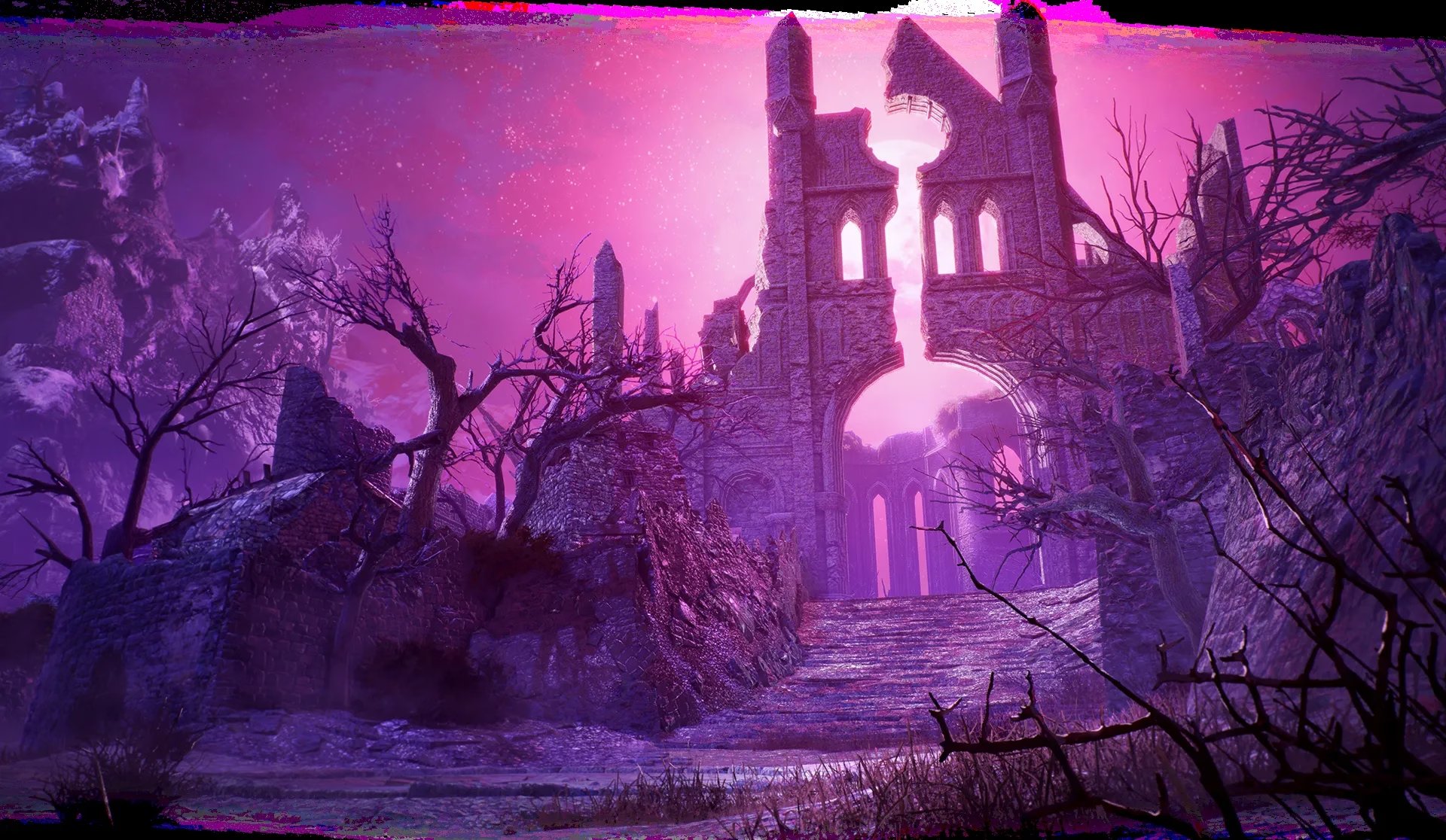
As daylight fades, the Citadel undergoes a supernatural transformation that left trailer-watchers buzzing with speculation. A mysterious purple aura envelops the entire region, casting everything in an ethereal, almost otherworldly glow. Capcom's decision to keep the explanation under wraps until players experience the expansion firsthand was both frustrating and brilliant marketing.
Theories exploded across hunter forums:
-
Ancient magical defenses still protecting the ruins?
-
Bioluminescent organisms reacting to lunar cycles?
-
Energy signatures from the Three Lords themselves?
-
Residual effects from a cataclysmic event that destroyed the original civilization?
Whatever the truth, this purple illumination fundamentally alters hunting dynamics. Night expeditions become visually stunning yet tactically complex affairs where traditional tracking methods might fail.
Flora, Fauna, and Everything Between
The Citadel's ecosystem represents evolutionary adaptation taken to extremes. The unique flora includes:
Adaptive Plant Species
-
Frost-resistant vegetation in snow zones
-
Water-purifying aquatic plants in swamplands
-
Carnivorous species that supplement nutrients from the mineral-poor soil
Endemic Life
The small creatures inhabiting this map aren't just window dressing. They provide crucial environmental clues about monster locations, offer temporary buffs when captured, and contribute to the living, breathing quality that makes Monster Hunter environments feel genuinely alive.
Resource Nodes
Strategically positioned mining outcrops, bone piles, and gathering points reward explorers willing to venture off the beaten path. Master Rank materials exclusive to the Citadel have become essential for crafting end-game equipment sets.
Enter the Garangolm: Guardian of the Citadel
No discussion of the Citadel would be complete without addressing its most formidable resident. The Garangolm represents Capcom's creature design team firing on all cylinders—a hulking Fanged Beast that makes other monsters look like house pets.
Physical Characteristics
This monstrosity possesses a rigid body composition that makes weak point targeting a genuine puzzle. Its deep, resonating roar doesn't just announce aggression—it physically reverberates through the environment, potentially causing environmental hazards like rockslides or ice shelf collapses.
Combat Evolution
What makes Garangolm particularly nasty is its adaptive fighting style:
Phase One: Pure Brutality
Initial encounters showcase raw physical power. Devastating arm swings, crushing charges, and ground pounds that create shockwaves. Standard monster behavior, manageable with proper positioning.
Phase Two: Elemental Rage
As the battle progresses and the beast's health depletes, something remarkable happens. Garangolm doesn't just get angry—it gets smart. The creature weaponizes its environment, coating its arms with contrasting elements:
-
Moss Covering: Delivers water elemental damage with attacks that inflict waterblight
-
Magma Coating: Simultaneously deals fire elemental damage causing fireblight
This dual-element approach forces hunters to completely rethink their defensive strategies. Traditional single-element resistance builds become inadequate.
Phase Three: Desperation Mechanics
At critical health thresholds, Garangolm unleashes techniques that border on the absurd:
-
Elemental charging attacks that cover massive distances
-
Rocket-propelled jumps that defy physics and hunter expectations
-
Combination moves chaining multiple elements in rapid succession
The Three Lords: Garangolm's Companions
Garangolm represents just one-third of the fearsome triumvirate terrorizing the Citadel. While Capcom remained tight-lipped about the other two Lords before launch, their existence added layers of anticipation. These aren't random monster spawns—they're narrative-driven encounters with environmental and story implications.
The Three Lords concept suggests:
-
Territorial divisions within the Citadel
-
Potential turf war mechanics between the Lords
-
Story missions centered around their individual and collective threats
-
Unique material drops for specialized equipment crafting
Strategic Implications for Hunters
Preparation Requirements
Successfully navigating the Citadel demands more than sharp reflexes:
Equipment Loadouts
-
Multiple armor sets for different biomes
-
Weapons with varied elemental coverage
-
Environmental resistance decorations
-
Stamina management items for terrain traversal
Knowledge Prerequisites
-
Map familiarity for efficient routing
-
Monster behavior pattern recognition
-
Environmental hazard awareness
-
Endemic life locations for buff acquisition
Team Dynamics
Multiplayer expeditions benefit enormously from role specialization:
-
Scouts: Fast weapon users who map monster locations
-
Tanks: Heavy armor builds that draw aggression
-
Supports: Wide-Range skill users maintaining team buffs
-
DPS: Optimized damage dealers exploiting weaknesses
Pre-Order Incentives and Launch Details
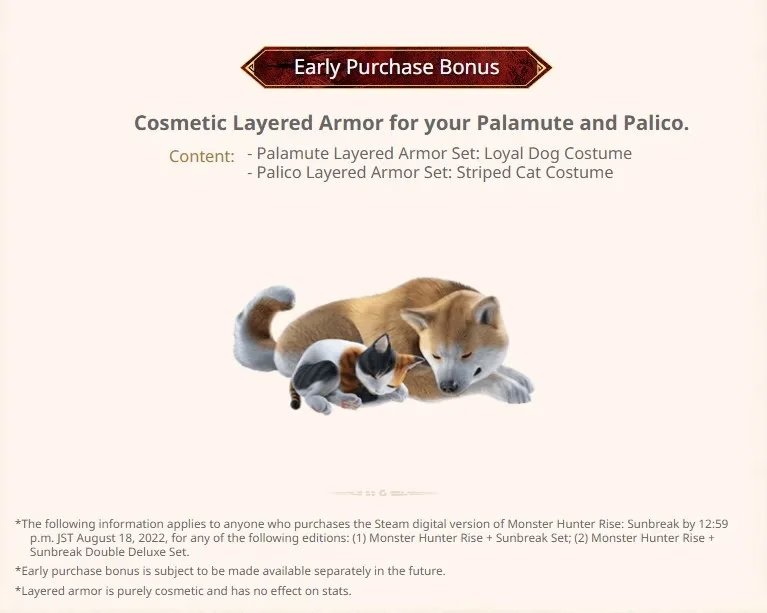
Capcom sweetened the deal for early adopters with exclusive cosmetic rewards:
Palamute Layered Armor Set: The Loyal Dog Costume transforms your canine companion into an adorable yet dignified hunting partner. Pure cosmetic, but the fashion hunter community went wild.
Palico Layered Armor Set: The Striped Cat Costume gives your feline friend a fresh look that perfectly complements the Sunbreak aesthetic.
These pre-order bonuses represented Capcom's understanding of Monster Hunter's endgame culture, where cosmetic customization rivals equipment optimization in importance.
The Legacy of Sunbreak's Citadel
Looking back from our vantage point in 2026, the Citadel map established new benchmarks for environmental design in the Monster Hunter franchise. Its influence ripples through subsequent content releases, with developers consistently citing it as inspiration for creating living, breathing ecosystems that tell stories through architecture and atmosphere.
The June 30, 2022 launch date marked a watershed moment for both PC and Nintendo Switch players, finally uniting the community in shared exploration of this magnificent, dangerous, and utterly captivating hunting ground. The Citadel didn't just expand Monster Hunter Rise—it redefined what expansion content could achieve when ambition meets execution.
For hunters still exploring its secrets years later, the purple-glowing ruins continue revealing hidden depths, proving that truly great game design transcends temporal boundaries. The Citadel stands as a monument not to what was, but to what gaming environments can become when creativity refuses limitations. 🎮🏰✨
Looking to dive into the Citadel yourself? You can compare Monster Hunter Rise: Sunbreak prices on DealNest to find the best deals on the expansion.