
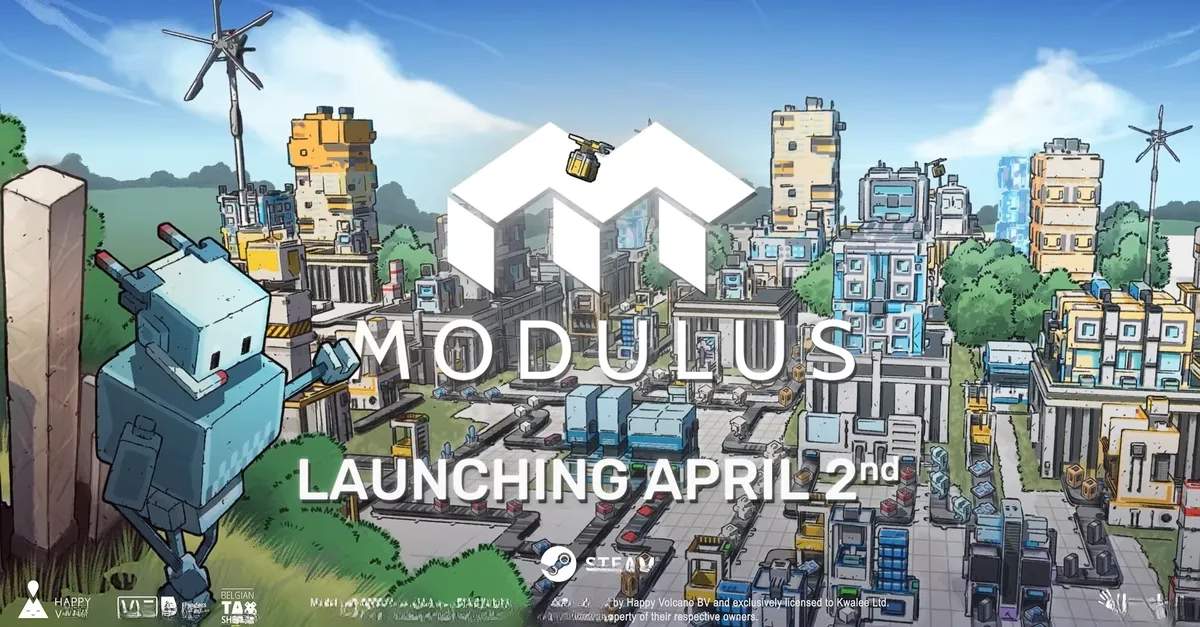
For those who've always dreamed of building intricate industrial empires without the constant threat of alien invasions or resource shortages, the gaming world has delivered something truly special. Modulus: Factory Automation has officially launched, offering a refreshingly stress-free sandbox experience that puts creative engineering at the absolute forefront. This isn't your typical survival-oriented factory builder—it's a digital playground designed specifically for players who find genuine joy in optimization and system design.
A Revolutionary Approach to Factory Building 🏭
The factory automation genre has traditionally followed a well-worn path: gather resources, build production chains, and constantly defend against waves of enemies trying to destroy everything you've created. Modulus takes a completely different direction by removing combat entirely from the equation. There are no alien creatures lurking at the edges of your base, no timer counting down to the next attack wave, and no frantic scrambling to patch defensive walls while your assembly lines burn.
Instead, the game delivers what many engineering-minded players have been craving for years—pure, unadulterated creative freedom. The only opponent in Modulus is the complexity of your own ambitious designs. Every challenge stems from the intricate puzzles you choose to tackle, whether that's optimizing throughput on a production line, minimizing bottlenecks in your logistics network, or achieving perfect balance across dozens of interconnected systems.
Endless Resources, Infinite Possibilities ♾️
One of the most significant departures from traditional automation games is how Modulus handles resources. Most titles in this genre use scarcity as a core mechanic—you're constantly managing limited materials, rationing supplies, and making difficult decisions about which production lines deserve priority. This creates tension and forces strategic thinking, but it also introduces a level of stress that doesn't appeal to everyone.
Modulus flips this concept entirely. Players receive access to unlimited resources from the very beginning, removing any artificial constraints on creativity. This isn't about surviving with limited materials or racing against depletion timers. The focus shifts entirely to the elegance and efficiency of your designs themselves. You're free to experiment wildly, test unconventional solutions, and rebuild entire sections of your factory without worrying about wasted materials or setbacks.
Key Features That Define the Experience:
| Feature | Traditional Factory Games | Modulus Approach |
|---|---|---|
| Combat | Defensive structures required | Zero combat mechanics |
| Resource Management | Scarcity-driven progression | Unlimited supplies |
| Failure Penalties | Lost materials, destroyed infrastructure | No penalties for experimentation |
| Primary Challenge | Survival and expansion | Optimization and elegance |
| Pacing | Often frantic and reactive | Completely self-directed |
The Engineering Toolkit 🔧
From the moment players enter the game, they're granted access to an extensive collection of modular engineering tools. Unlike many factory builders that gate advanced components behind research trees or progression milestones, Modulus provides the full toolbox immediately. This design philosophy emphasizes that progression in the game isn't about unlocking new capabilities—it's about mastering the ones you already have.
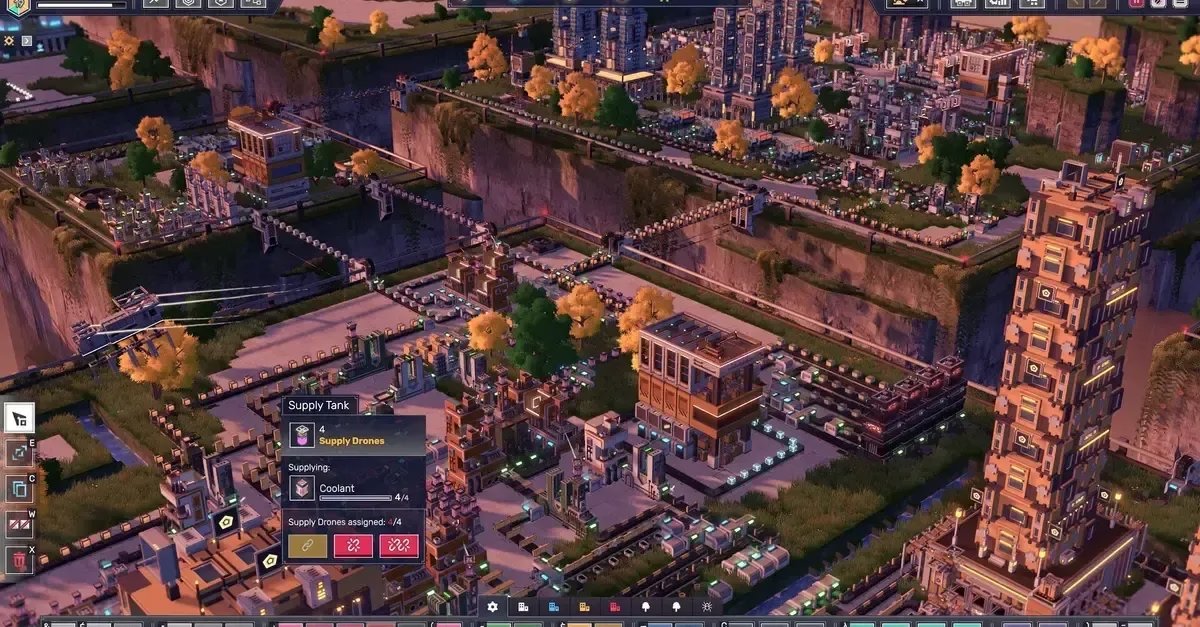
The modular nature of the building system means every component can connect and interact in countless ways. Players can design sprawling production networks that process materials through dozens of stages, create intricate sorting systems that route products with perfect precision, or build massive logistics hubs that coordinate transportation across vast distances. The complexity available is genuinely staggering, yet the game never forces you to engage with any particular system until you're ready.
The Satisfaction of Perfect Systems ✨
There's something profoundly satisfying about watching a complex machine operate flawlessly. In Modulus, this feeling becomes the entire point of the experience. Players often spend hours refining a single production line, not because the game requires it, but because achieving that perfect flow state—where every belt moves at optimal speed, every machine operates at maximum efficiency, and resources flow without interruption—creates a unique sense of accomplishment.
The game rewards architectural thinking and systematic problem-solving. When you finally crack a particularly challenging logistics puzzle or discover an elegant solution to a production bottleneck, the satisfaction comes from your own ingenuity rather than simply defeating an enemy or reaching a predetermined milestone. It's the difference between being told you've succeeded and genuinely knowing you've created something remarkable.
Who Will Love This Game? 🎯
Modulus: Factory Automation targets a very specific audience, and it makes no apologies for that focused approach:
-
Logic Puzzle Enthusiasts: Players who love working through complex problems methodically
-
Architecture Fans: Those who find joy in designing systems with both function and aesthetic appeal
-
Relaxation Seekers: Gamers looking for engaging experiences without time pressure or combat stress
-
Optimization Addicts: People who can't resist the urge to make things run just a little bit better
-
Creative Builders: Players who prefer sandboxes where imagination is the only limit
Pricing Considerations 💰
As with most new releases, the exact pricing structure continues to evolve across different storefronts and regions. The standard approach for day-one launches typically involves setting initial prices at genre-standard levels, which then adjust based on market conditions and competitive pressure. Smart shoppers know that waiting even a short time or comparing multiple retailers often reveals significant savings opportunities.
Platforms like DealNest make it easy to compare Factorio prices, where the iconic automation game currently sits at an all-time low of $6.44—an 82% discount that shows how patience pays off in this genre. Some players will find the pure engineering focus worth premium pricing, while others might prefer to wait for promotional periods. The game's niche appeal means pricing strategies may differ from mainstream releases, potentially offering better deals for patient buyers.
The Absence of Stress ☮️
Perhaps the most revolutionary aspect of Modulus is what it deliberately chooses not to include. By removing combat, resource scarcity, and failure penalties, the game creates a fundamentally different emotional experience. There's no anxiety about losing progress, no frustration from unexpected attacks destroying hours of work, and no pressure to rush toward defensive milestones.
This design philosophy won't appeal to everyone—some players thrive on the tension that traditional factory builders provide. But for those who've always wished they could focus purely on the engineering aspects without constant interruptions, Modulus delivers exactly what they've been seeking. It's essentially meditation through machinery, offering all the intellectual stimulation of complex problem-solving without any of the associated stress.
Setting Your Own Goals 🎯
Without predetermined objectives or forced progression paths, Modulus requires players to create their own challenges and set personal benchmarks. This open-ended structure can feel liberating for self-motivated builders who already arrive with ambitious projects in mind. You might decide to create the most efficient possible setup for a specific product, design a factory that operates with perfect symmetry, or challenge yourself to use only certain types of components.
The freedom to establish personal goals means the experience remains fresh far longer than games with fixed achievement lists. There's always another optimization to discover, another design challenge to tackle, or another aesthetic element to perfect. The game essentially becomes whatever you want it to be—a technical showcase, an artistic canvas, or a pure logic puzzle.
Final Thoughts 💭
Modulus: Factory Automation represents a bold bet on a specific vision of what factory building games can be. By stripping away conventional genre expectations and focusing exclusively on creative engineering, it carves out a unique space in the gaming landscape. This isn't a title designed for everyone, and it doesn't pretend to be.
For the right player—someone who genuinely enjoys optimization puzzles, appreciates elegant system design, and prefers relaxation over adrenaline—Modulus offers an experience that few other games can match. It's the digital equivalent of spending a weekend afternoon assembling an intricate model or solving a particularly challenging sudoku puzzle. The satisfaction comes entirely from the process itself and the personal pride in creating something that works beautifully.
Whether this appeals to you depends entirely on what you seek from gaming experiences. If you're ready to trade explosions for engineering diagrams and replace combat with conveyor belts, Modulus: Factory Automation is waiting with an infinite supply of components and absolutely zero pressure to do anything except build something amazing. 🏗️
Grab your virtual blueprints, clear your schedule, and prepare to lose yourself in the meditative flow of perfect production lines. The factory floor awaits, and this time, you're building purely for the love of the craft.