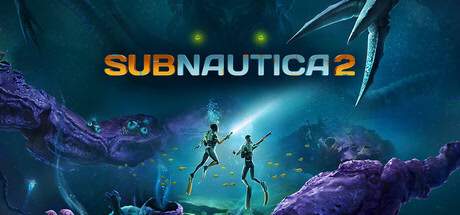
When Subnautica 2 plunged into early access waters this month, it didn't just make a splash—it created a tidal wave that lifted all boats, including its predecessor from the ocean floor. The original game, which first emerged from early access depths back in 2014, suddenly found itself breaking records it never dreamed possible a decade later.
A Rising Tide Lifts All Submarines
The sequel's launch numbers read like a fever dream for any game developer. Over 2 million copies vanished from virtual shelves within twelve hours, while Steam's concurrent player count crested above 460,000 souls eager to explore new underwater mysteries. Unknown Worlds Entertainment had clearly struck gold—or perhaps more appropriately, discovered a vein of rare minerals on some alien seabed.
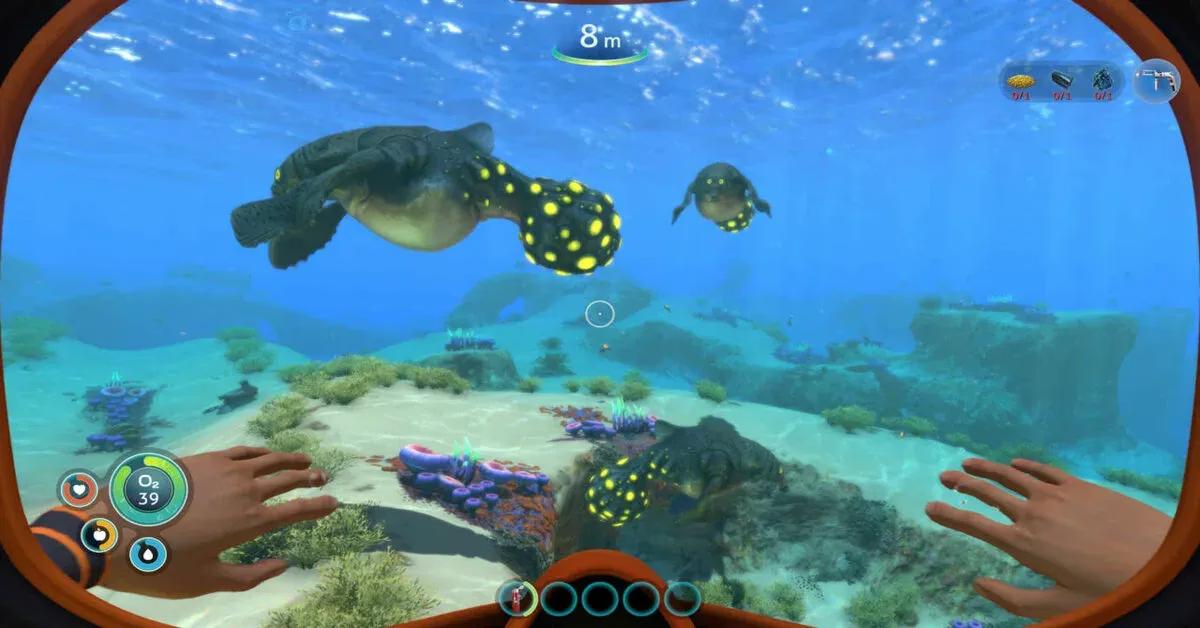
But here's where the story gets interesting: as players suited up for their newest deep-sea adventure, many found themselves glancing back at where it all began. The original Subnautica, that 2014 survivor that crawled its way to full release in 2018, suddenly peaked at over 50,000 concurrent players on Steam. For a single-player experience celebrating its tenth anniversary, that's not just respectable—it's downright remarkable.
More Than Just Nostalgia Diving
Sure, 50,000 players might seem modest next to the sequel's half-million strong armada, but context matters. This isn't some multiplayer behemoth riding seasonal events or battle passes. We're talking about a decade-old solo adventure that's competed with an endless stream of survival games flooding the market ever since.
The survival genre has become something of a crowded reef over the past ten years. Crafting systems, resource gathering, base building—these mechanics have been copied, pasted, and remixed countless times. Yet players keep returning to Subnautica like sea turtles migrating back to their birthplace. Why? Because it offered something beyond the standard survival loop.
What Made It Stick
Subnautica never felt like just another crafting checklist simulator. It understood that exploration needed to feel earned, that discovery should trigger genuine wonder rather than obligation. The game didn't hold hands—it simply pointed toward the horizon and whispered, "Go see what's out there." Sometimes that meant beautiful bioluminescent caverns. Other times? Well, let's just say not all underwater encounters end with taking screenshots.
The Three-Game Dynasty
| Title | Launch Year | Core Innovation |
|---|---|---|
| Subnautica | 2018 (EA: 2014) | Defined underwater survival genre |
| Below Zero | 2021 | Expanded narrative depth |
| Subnautica 2 | 2025 (EA) | Cooperative multiplayer integration |
Each installment carved its own identity, yet longtime fans keep the original perched atop their personal pedestals. There's something about that first plunge into alien waters—the initial panic, the gradual mastery, the creeping realization that you've fallen completely under its spell.
Timeless By Design
A decade might as well be a century in gaming years. Graphics evolve, mechanics innovate, trends shift like ocean currents. That Subnautica not only survives but thrives during its sequel's launch speaks volumes about craftsmanship that transcends temporal boundaries.
New players jumping straight into the sequel without experiencing the original are essentially skipping the prologue to a story everyone's talking about at parties. Sure, you'll understand the sequel just fine, but you'll miss understanding why veterans get that distant look when discussing the first Reaper Leviathan encounter. 😱
The Immersion Factor
What really set Subnautica apart wasn't any single mechanic—it was atmosphere. The way light filtered through kelp forests. How sound design transformed empty ocean into something alive and breathing. That distinct feeling of being simultaneously explorer, scientist, and very small fish in a very large pond. The game trusted players to create their own stories within its framework rather than demanding they follow prescribed narratives.
Modern survival games often mistake quantity for quality, drowning players in crafting trees so complex they require spreadsheets. Subnautica kept things relatively streamlined, understanding that resource management should enable exploration rather than replace it. Every blueprint discovered felt meaningful. Every habitat expansion represented genuine progression.
Looking Forward While Swimming Backward
🎮 The simultaneous success of both games creates an interesting ecosystem. Veterans can satisfy their cooperative curiosity with Subnautica 2 while introducing newcomers to the franchise through the original's solo experience. It's a win-win situation rarer than finding diamonds in the Sparse Reef.
Unknown Worlds Entertainment must be feeling pretty good about their life choices right now. Not every developer gets to watch their decade-old creation experience renaissance alongside their latest release. The player spike demonstrates something crucial: when you build worlds that genuinely resonate with players, those worlds don't disappear when sequels arrive—they become foundations.
The Verdict From The Deep
So there it sits, the original Subnautica, proudly displaying its new concurrent player record like a badge earned through a decade of service. It's still teaching players about oxygen management, still introducing them to Crashfish the hard way, still proving that sometimes the scariest monster is simply the darkness below.
For anyone who bypassed the original in their rush toward multiplayer waters, consider this your formal invitation to explore where legends were born. Those 50,000+ concurrent players aren't just riding nostalgia waves—they're experiencing something that continues earning its place in gaming history, one terrified scream at a time. 🌊
If the recent surge has tempted you to explore the depths yourself, compare Subnautica 2 prices on DealNest—right now it's down to $13.45, an all-time low at 55% off.
After all, understanding where you came from makes the journey forward that much richer. And in Subnautica's case, where you came from happens to be an alien ocean planet that's aged like fine wine—or perhaps more accurately, like perfectly preserved samples in a time capsule buried 500 meters below the surface.