I've died on virtual mountains more times than I can count, but nothing prepared me for the moment my best friend cut my rope at 8,000 meters. PEAK isn't just another climbing game—it's a brutal social experiment wrapped in stunning alpine scenery, and I learned that lesson the hard way.
The Illusion of Solo Glory
When I first launched PEAK, I thought I could conquer it alone. The opening moments felt serene: just me, the mountain, and the wind howling through my headphones. I managed the first few hundred meters without issue, carefully watching my stamina bar and finding decent handholds. Then reality hit like an avalanche.
The game's mechanics actively punish solo attempts. Environmental hazards become impossible barriers when you're alone. I found myself staring at ledges I couldn't reach, watching my oxygen slowly deplete with no one to share supplies. That quiet, terrifying challenge everyone talks about? It's real. But it's also incomplete. PEAK reveals its true nature only when you bring others into your expedition.
Building My Doomed Squad
After three failed solo attempts, I knew I needed help. I reached out to my usual gaming crew: Marcus, who loves tactical games; Sarah, our designated problem-solver; and Jake, who somehow always survives horror games through pure luck. Getting four copies without emptying our wallets became the first challenge.
Here's where smart planning pays off. Instead of buying separate copies at full retail price—a mistake that would have cost us nearly $200—I did some research. Using price comparison tools like DealNest, I discovered bundle deals that slashed our total cost by almost 60%. We essentially paid for two copies and got four. For anyone organizing an expedition, this approach is non-negotiable. Your friends who are on the fence about the game will jump in when the financial barrier drops.
The First Ascent: Communication Changes Everything
Our first climb together transformed the entire experience. What had been a lonely stamina-management simulator became something far more dynamic. Marcus took point, calling out routes. Sarah managed our shared resources with spreadsheet-level precision. Jake... well, Jake kept morale high with increasingly terrible mountain puns.
The coordination required is intense. You're not just clicking on handholds anymore; you're:
-
Synchronizing movements to hoist teammates over obstacles
-
Sharing oxygen at critical moments
-
Spotting routes that solo players would never find
-
Managing group stamina like a team resource pool
-
Making real-time decisions about who carries what equipment
We developed a rhythm. I'd scout ahead while Marcus secured ropes. Sarah tracked everyone's vital signs and called rest stops before anyone hit critical exhaustion. The game stopped being about climbing and became about leadership, trust, and genuine teamwork.
When Resources Run Low 🏔️
Then came the betrayal.
We'd reached 7,500 meters after six hours of coordinated climbing. Our oxygen reserves looked good—until they didn't. An unexpected storm forced us to burn through supplies faster than Sarah's careful calculations predicted. Suddenly, we faced a brutal mathematical reality: four climbers, enough oxygen for maybe three to summit.
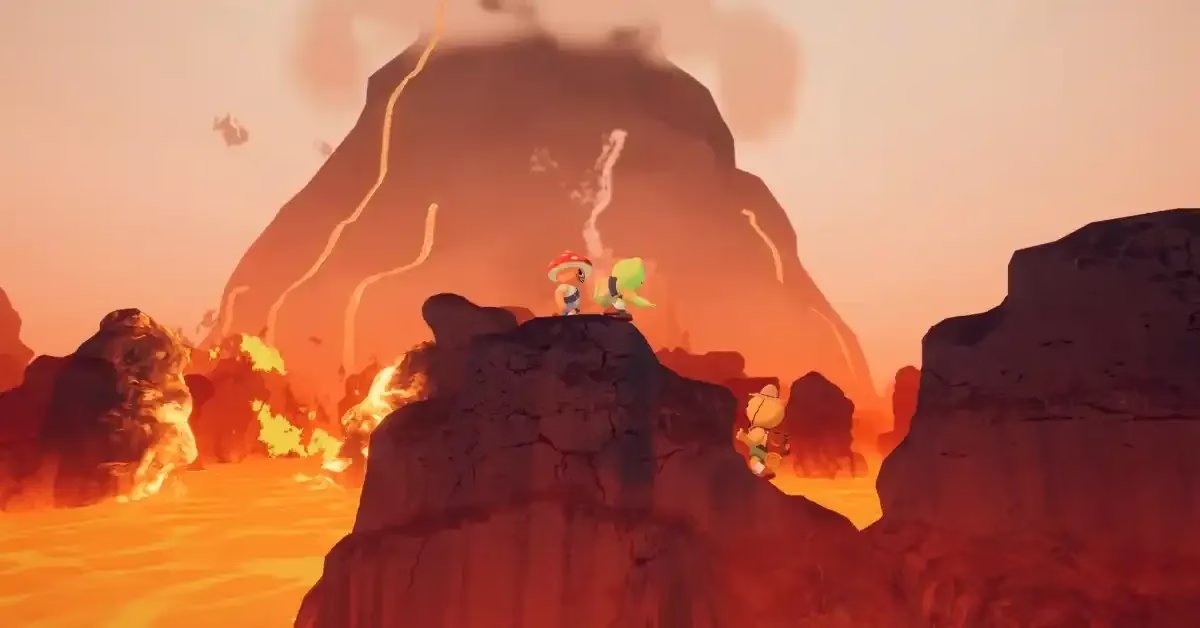
The game's design shines darkest in these moments. That prompt about "watching your back or stabbing them" isn't marketing fluff—it's a warning. The mechanics create genuine tension. Your teammate holding your lifeline can simply... let go. The person who helped you climb for six hours can decide their survival odds improve without your extra weight.
Jake went first. We found him disconnected from our rope system, his character model disappearing into the whiteout. Marcus and I exchanged nervous laughs over Discord, joking about Jake's "accident." Sarah said nothing.
The Summit (or Not)
At 8,200 meters, with the summit tantalizingly close, I felt my rope go slack. Not from equipment failure—from deliberate action. Sarah had done the math and concluded that two climbers had a better chance than three. Marcus, apparently, had been in on the plan.
I watched my character tumble through the storm, oxygen depleting, as my "trusted" teammates continued upward. They reached the summit. I respawned at base camp, equal parts furious and impressed.
The Real Value of Multiplayer Chaos
Here's what makes PEAK extraordinary: that betrayal created the most memorable gaming moment I've had all year. We spent the next hour in Discord dissecting the decision, defending choices, and planning our revenge climb. The game had done exactly what it promised—transformed a climbing simulator into genuine human drama.
Why This Only Works in Multiplayer
| Solo Experience | Multiplayer Experience |
|---|---|
| Quiet, methodical climbing | Chaotic coordination and betrayal |
| Pure mechanical challenge | Social and strategic complexity |
| Predictable obstacles | Human unpredictability |
| Limited replay value | Endless emergent stories |
| Test of patience | Test of friendship 😅 |
Playing PEAK solo is like watching a movie alone in a theater designed for audience participation. You'll see the mechanics, appreciate the design, but miss the entire point. The game comes alive when your friend's voice cracks with stress as they realize they can't reach you. When someone makes a genuine sacrifice to save the team. When alliances form and shatter in real-time.
Lessons from the Mountain
After dozens of hours across multiple expeditions, I've learned several crucial things:
-
Always verify rope connections before trusting someone who's running low on oxygen
-
Overprepare on supplies because someone will waste resources doing something stupid
-
Establish rules beforehand about acceptable levels of betrayal (seriously)
-
Record your sessions because the arguments afterward are half the entertainment
-
Buy in bulk because you'll want to recruit fresh victims after your current friends stop trusting you
The Economics of Expedition Building
Let me be direct about the financial reality: assembling your squad shouldn't cost more than the game's value. When we organized our second expedition with new members, we found four-pack deals through various key retailers. The savings were substantial enough that we could afford backup copies for when inevitably someone rage-quits after a betrayal. Price comparison tools have become essential for multiplayer games like PEAK. Right now, you can buy PEAK CD key for as low as $2.30 (70% off) on DealNest, making it easy to grab multiple copies without breaking the bank. The difference between paying retail for individual copies versus finding legitimate bundle deals can fund your next game purchase. We saved enough to buy pizza for our all-night summit attempt (which ended in spectacular failure and friendship-testing arguments).
Who Should Climb This Mountain?
PEAK demands a specific type of player and friend group. You need:
-
Dedicated gaming partners who won't ghost after one failed climb
-
Thick skin for the inevitable betrayals and heated discussions
-
Communication skills beyond basic callouts
-
Time commitment for proper expeditions (our successful summits took 8+ hours)
-
Sense of humor about virtual murder and survival ethics
If your friend group includes someone who holds grudges or can't separate game decisions from real friendship, maybe skip this one. The game will test every relationship dynamic you have.
The Verdict from Base Camp
Six months and countless expeditions later, PEAK remains our go-to game for weekend sessions. Yes, Sarah still brings up her "justified" decision to cut my rope. Yes, Jake has been successfully betrayed in seventeen different ways. Yes, Marcus and I have perfected the art of the coordinated double-cross.
The game delivers exactly what it promises: unforgettable multiplayer moments built on cooperation, desperation, and strategic friendship destruction. Solo play exists as an option, but choosing it means missing the entire point. This is a game about people, trust, and what happens when survival instincts override social contracts.
Final Thoughts
If you have three friends willing to scream at each other over Discord while freezing to death on a virtual mountain, buy PEAK immediately. Find those bundle deals, organize your expedition, and prepare for gaming moments you'll reference for years.
Just remember: when you're dangling from a rope at 8,000 meters and your oxygen runs low, that friend below you is making calculations. Maybe check how their supplies are looking before you trust that belay.
Who in your friend group would cut the rope first? 🧗♂️ For me, it was Sarah. It's always the quiet, organized ones you need to watch.