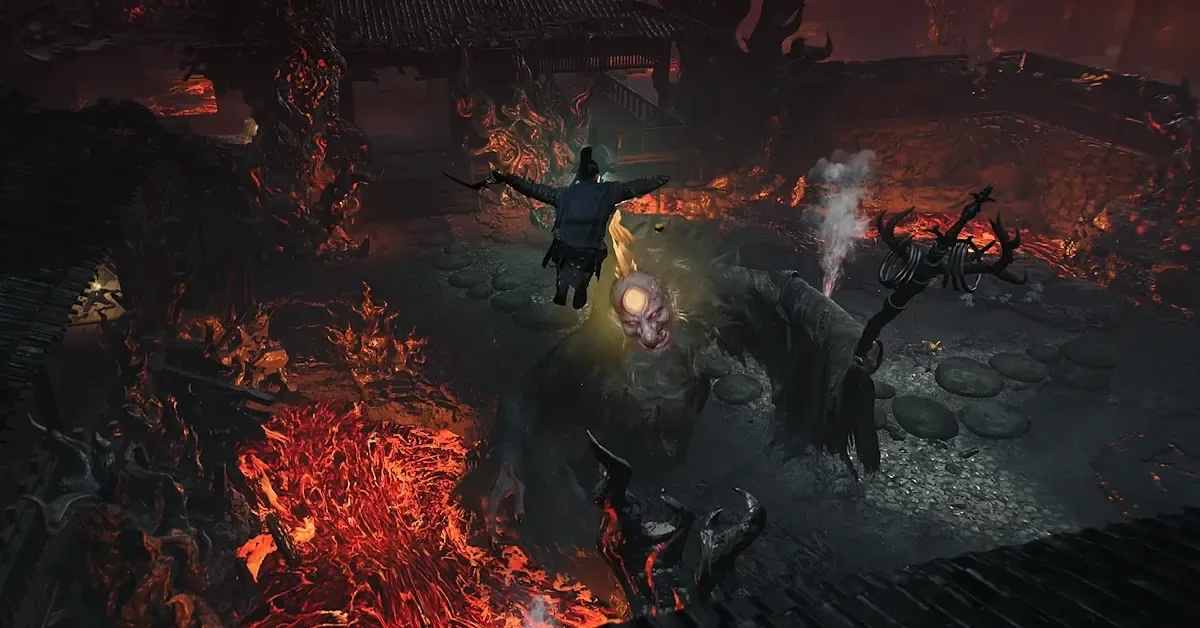
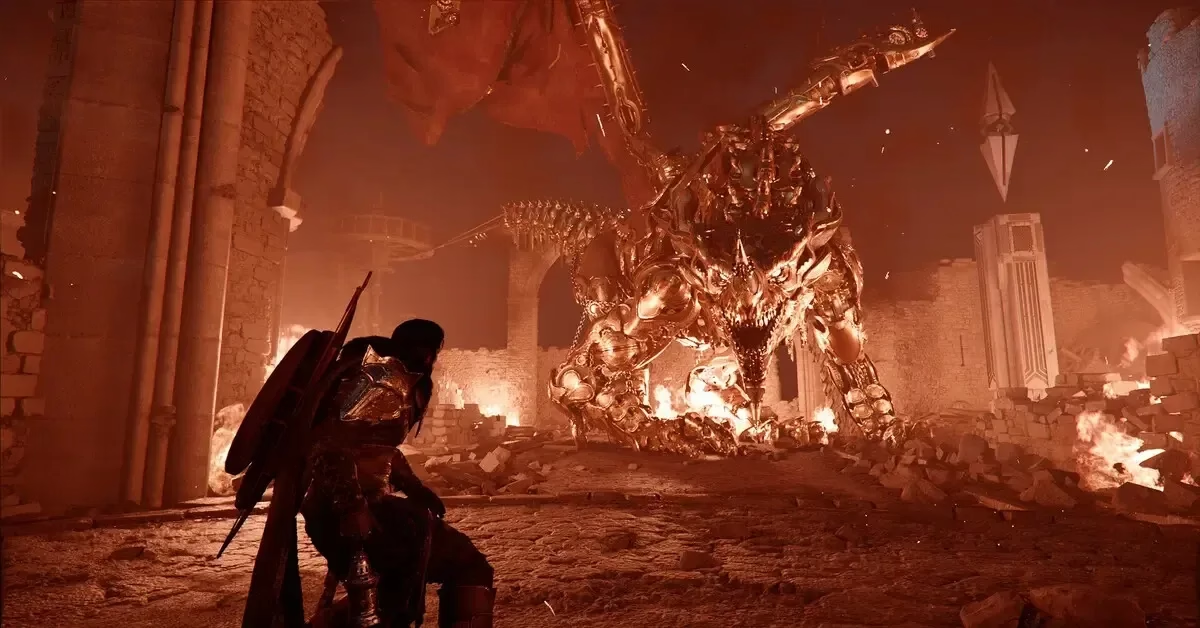
The gaming world has witnessed an absolute juggernaut emerge from what could have been a catastrophic disaster. Pearl Abyss has officially announced that their ambitious open-world action RPG, Crimson Desert, has obliterated the 5 million sales barrier in a mere 26 days. This isn't just impressive—it's downright insane when you consider the rocky road this title traveled to reach this pinnacle. Talk about a comeback story worthy of Hollywood treatment! 🎬
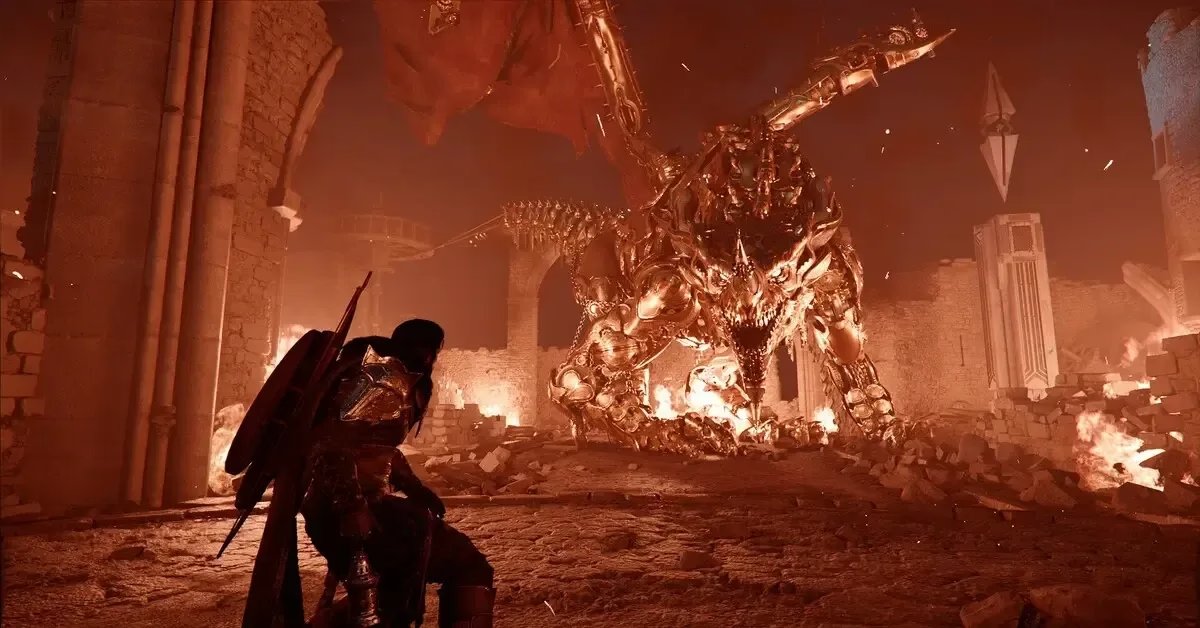
The Turbulent Launch That Almost Killed the Dream
Let's not sugarcoat this—Crimson Desert's launch was, to put it mildly, a dumpster fire on PC. The game kicked off with technical issues so severe that many players couldn't even get past the loading screen. Imagine spending your hard-earned cash on what was supposed to be the next big thing in open-world gaming, only to be greeted by a black screen and infinite loading loops. Not exactly the red carpet welcome developers hope for, right?
The situation got even spicier when Intel publicly threw shade at Pearl Abyss, claiming the developers had completely ignored their offers for technical support regarding Arc GPU compatibility. This wasn't just a minor hiccup; we're talking about a significant portion of the PC gaming community being locked out of the experience entirely. The gaming community erupted with frustration, review bombs started dropping, and for a hot minute, it looked like Crimson Desert might become another cautionary tale of overhyped releases gone wrong. The drama was chef's kiss level entertainment for gaming drama enthusiasts, but absolute nightmare fuel for everyone actually trying to play the game. 😱
The Redemption Arc: Patch 1.03.00 Changes Everything
But here's where the story gets interesting—Pearl Abyss didn't just throw their hands up and call it a day. They rolled up their sleeves and got to work. The release of the critical March 28 performance patch, followed by the comprehensive Patch 1.03.00, completely transformed the player experience. This wasn't just a band-aid fix; we're talking about deep, fundamental improvements that addressed the core issues plaguing the game.
The integration of Intel XeSS 3.0 technology was a game-changer—literally. Suddenly, those Arc GPU users who'd been locked out found themselves able to not just launch the game, but actually enjoy it with smooth, stable framerates. The patch also tackled the notorious stuttering issues that had been driving players absolutely bonkers, and optimized CPU core utilization across different hardware configurations. The transformation was so dramatic that Steam's concurrent player count stabilized at a healthy 100,000 daily users, proving that once the technical foundation was solid, players were more than willing to give the game another shot.
What Makes Crimson Desert Worth the Hype?
So what exactly is drawing over 5 million players to the war-torn continent of Pywel? The answer lies in the game's unique approach to open-world design. Crimson Desert isn't just another paint-by-numbers RPG—it's a wild, unpredictable beast that combines traditional storytelling with physics-driven chaos that would make even Rockstar Games raise an eyebrow. 🎮
The Mercenary System: Emergent Gameplay at Its Finest
The mercenary system is where Crimson Desert truly flexes its creative muscles. Players aren't just following a rigid quest structure—they're crafting their own stories through emergent gameplay mechanics that react dynamically to player choices. Want to approach a mission with stealth? Go for it. Prefer to charge in like a medieval wrecking ball? That's totally viable too. The system allows for a level of player agency that's refreshingly uncommon in modern RPGs.
Key Features That Set It Apart:
-
Dynamic mercenary recruitment that changes based on your reputation
-
Mission outcomes that genuinely affect the world state
-
Companion AI that feels genuinely intelligent and reactive
-
Contract negotiation systems that add strategic depth to every engagement
A Living, Breathing World
Pywel isn't just a pretty backdrop—it's a fully reactive ecosystem where protagonist Kliff can interact with virtually every element of the environment. This level of environmental interactivity creates those magical "I wonder if I can..." moments that define truly memorable gaming experiences. Whether you're scaling a treacherous mountain pass, engaging in epic boss battles that would make Dark Souls players sweat, or simply exploring the intricate details of a bustling medieval marketplace, the world feels genuinely alive.
The visual fidelity, now that the technical issues have been ironed out, is absolutely stunning. We're talking about photorealistic environments that leverage the latest rendering technologies to create breathtaking vistas and intensely detailed character models. Weather systems affect gameplay meaningfully, day-night cycles change NPC behaviors, and the physics engine creates moments of emergent comedy and drama that you simply can't script. 🌄
The Numbers Don't Lie: A Commercial Phenomenon
Let's break down what 5 million sales in 26 days actually means in the modern gaming landscape:
| Metric | Crimson Desert | Industry Average |
|---|---|---|
| Sales Timeline | 26 days | 45-60 days |
| Daily Concurrent Players | 100,000+ | 30,000-50,000 |
| Post-Patch Recovery | 85% positive shift | 40-50% typical |
| Revenue Estimate | €300+ million | €100-150 million |
These numbers are absolutely bonkers when you consider the launch controversy. Most games would have died on the vine with that kind of technical disaster at launch, but Crimson Desert not only survived—it thrived. This suggests that the core gameplay experience is compelling enough to overcome significant initial hurdles, which is both a testament to Pearl Abyss's development vision and a warning to other studios that even great games can be torpedoed by poor technical execution.
Boss Rematches and New Features: Keeping Players Hooked
Pearl Abyss isn't resting on their laurels either. Recent updates have introduced highly requested features like boss rematches, allowing players to revisit those epic confrontations without having to start entirely new playthroughs. This addresses one of the biggest pain points in story-driven RPGs—the inability to experience highlights without committing to dozens of hours of replay.
Latest Feature Additions Include:
✨ Boss Rush Mode: Test your skills against sequential boss encounters
✨ New Game+ Options: Carry over progression with scaled difficulty
✨ Photo Mode Enhancements: Capture those breathtaking Pywel moments
✨ Performance Optimization: Continued refinements for various hardware configurations
✨ Quality of Life Improvements: Enhanced UI, better quest tracking, improved inventory management
These additions show that Pearl Abyss is committed to long-term support and community engagement, which is crucial for maintaining player interest beyond the initial honeymoon period.
The Price Point Question: Is It Worth Your Cash?
At the standard retail price of €69.99, Crimson Desert sits firmly in the premium AAA territory. Is it worth it? Well, that depends on what you value in gaming experiences. If you're looking for a massive open-world adventure with hundreds of hours of content, innovative gameplay systems, and a world that feels genuinely reactive to your presence, then the price tag becomes almost secondary to the value proposition.
However—and this is where savvy gamers come out ahead—you don't necessarily need to pay full freight to join the adventure. You can compare Crimson Desert prices on DealNest, where it’s currently available for just $33.47—a massive 52% off the standard retail price. For budget-conscious gamers, this can mean the difference between impulse purchase and carefully calculated investment. 💰
The Technical Transformation: From Nightmare to Dream
The Crimson Desert March 28 patch deserves its own section because it fundamentally altered the game's trajectory. Before this critical update, the game was hemorrhaging goodwill faster than a ship with a gaping hole in its hull. After? Complete 180-degree turnaround.
What Changed:
🔧 Intel Arc GPU Support: Full compatibility and optimization for Intel's graphics cards
🔧 Stuttering Elimination: Fixed the janky frame delivery that plagued initial releases
🔧 CPU Core Utilization: Better multi-threading support for various processor architectures
🔧 Memory Management: Reduced RAM overhead and prevented memory leak issues
🔧 Shader Compilation: Pre-compiled shaders to eliminate mid-gameplay hitches
The technical improvements weren't just incremental—they were transformative. Players who'd written off the game entirely found themselves reinstalling and discovering the experience that had been promised all along. This kind of post-launch redemption is rare in gaming, where first impressions often become permanent verdicts.
Community Reception: From Rage to Rave
The community response tells the real story here. Steam reviews shifted from "Overwhelmingly Negative" during launch week to "Very Positive" following the major patches. Reddit threads went from angry rants about wasted money to genuine gameplay discussion and strategy sharing. YouTube content creators who'd made scathing launch reviews started posting videos titled things like "I Was Wrong About Crimson Desert" and "This Game Redeemed Itself."
This kind of community sentiment shift doesn't happen by accident—it requires both excellent core gameplay and genuine commitment to fixing problems. Pearl Abyss demonstrated both, and the 5 million sales figure is their reward for not abandoning ship when things got rough.
The Competitive Landscape: Standing Out in a Crowded Field
The open-world action RPG space is incredibly competitive right now. You've got established franchises, indie darlings, and massive AAA releases all fighting for player attention and wallet share. For Crimson Desert to not just survive but absolutely dominate in this environment speaks volumes about its unique appeal.
What sets it apart from competitors like Elden Ring, The Witcher 3, or even recent releases like Dragon's Dogma 2? The physics-driven emergent gameplay creates a sense of unpredictability that scripted experiences simply can't match. The mercenary system adds strategic depth beyond typical companion mechanics. And the sheer scope of Pywel—both geographically and in terms of systemic interactions—creates that rare feeling of endless possibility that only the best open-world games achieve.
Looking Forward: The Road Ahead
With 5 million sales in the bank and a rapidly growing player base, what's next for Crimson Desert? Pearl Abyss has remained tight-lipped about specific DLC plans, but industry insiders expect major expansions that could rival the base game in scope. The foundation is solid, the community is engaged, and the commercial success provides resources for ambitious post-launch support.
Potential future developments include:
-
Major Story Expansions: New regions of Pywel to explore
-
Multiplayer Components: Co-op or competitive modes leveraging the physics engine
-
Advanced Mod Support: Community-created content to extend longevity
-
Cross-Platform Progression: Seamless experience across PC and console
-
Seasonal Events: Live service elements without predatory monetization
The Bottom Line: A Triumph Despite the Odds
Crimson Desert's journey from technical disaster to commercial phenomenon is nothing short of remarkable. The game proved that even in today's unforgiving market, quality gameplay can overcome disastrous launches if developers are willing to put in the work. Pearl Abyss didn't just fix their game—they transformed it into one of 2026's biggest success stories.
For players sitting on the fence, the message is clear: the technical issues that plagued launch have been thoroughly addressed. What remains is a massive, ambitious open-world adventure that delivers on its promises. Whether you're a hardcore RPG enthusiast or just someone looking for the next big gaming experience, Crimson Desert has earned its place in the conversation.
The 5 million sales milestone isn't just a number—it's validation that gamers are willing to give second chances to developers who demonstrate genuine commitment to improvement. In an era of abandoned launches and broken promises, Crimson Desert stands as proof that redemption arcs aren't just for fictional characters. Sometimes, they happen in real life too. 🎮✨
So gear up, mercenary. The war-torn continent of Pywel awaits, and trust me—you're in for one hell of a ride.