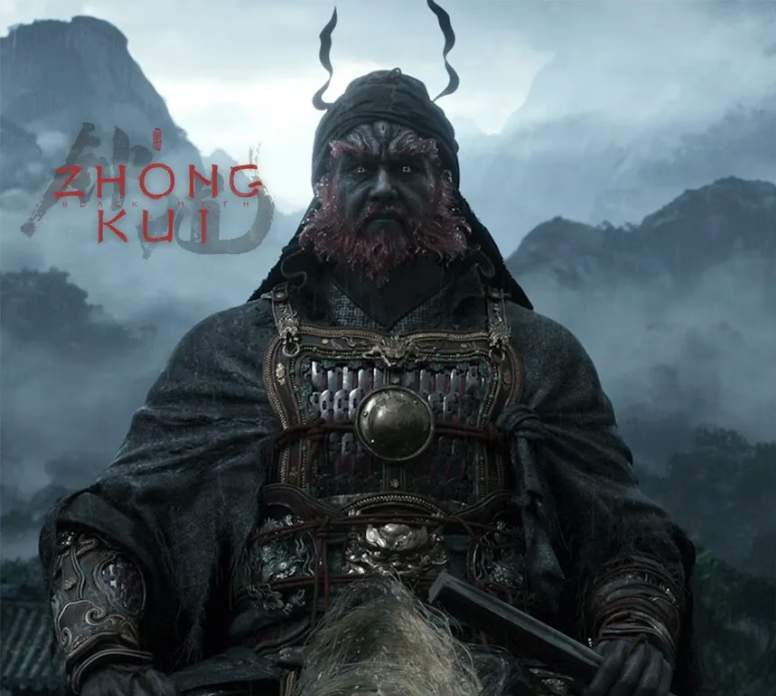
When Black Myth: Wukong launched, I was immediately impressed by how confidently Game Science handled its first major action RPG. The combat was weighty, the bosses were memorable, and the world looked ridiculous in the best possible way. It was the kind of game where you could stop fighting for a moment just to look around.
Now Game Science is taking another swing with Black Myth: Zhong Kui, and after finally seeing the game's first substantial gameplay demo, I think the most interesting question isn't simply whether it looks better than Wukong. It's whether Game Science actually learned from Wukong. The answer, based on the current footage, appears to be yes. The August 20, 2026 gameplay demo is still from an early development build, so some features can change before release, but it already shows several interesting differences in combat, movement, presentation, and world design.
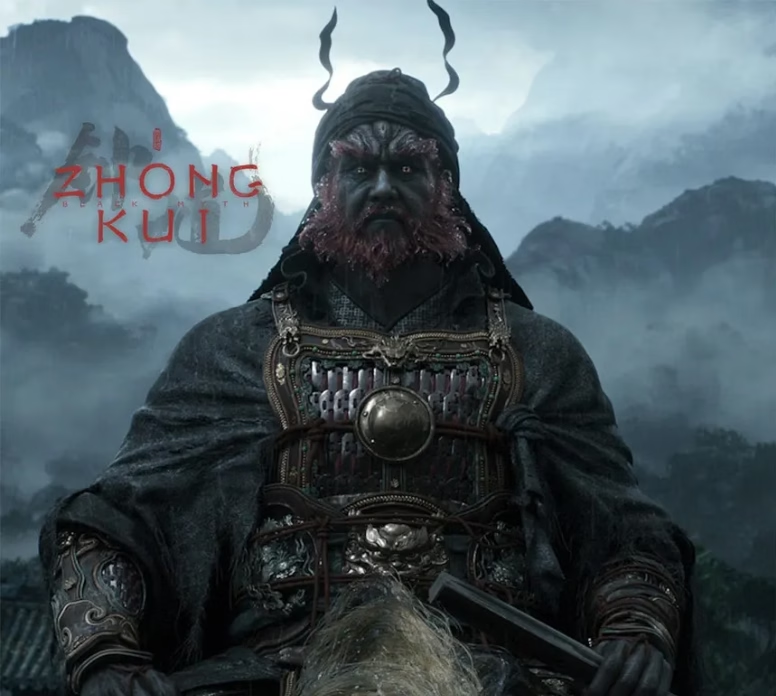
Black Myth: Zhong Kui vs. Wukong
Feature | Black Myth: Wukong | Black Myth: Zhong Kui |
Main Combat Style | Staff-based martial arts | Sword-focused combat |
Defensive Focus | Dodging and abilities such as Rock Solid | More emphasis on direct defensive interactions |
Setting | Journey to the West-inspired world | Chinese mythology and folklore |
Protagonist | The Destined One | New protagonist |
Combat Presentation | Fast staff combos and transformations | More grounded swordplay |
Visual Technology | Unreal Engine 5 | Further-developed Unreal Engine 5 presentation |
Development Status | Released | Early development |
Release Date | August 20, 2024 | Not announced |
The biggest thing to remember is that Zhong Kui isn't simply Wukong with a different character model. Game Science has described it as another single-player action RPG in the Black Myth series, but the studio specifically wants to explore different gameplay and storytelling ideas.
The Combat Already Feels More Deliberate
This is probably the first thing I noticed watching the new footage.
Wukong's combat was built around the staff, quick combos, spells, transformations, dodging, and managing resources during encounters. It could become extremely fluid once you understood how everything worked.
Zhong Kui appears to be taking a more grounded approach.
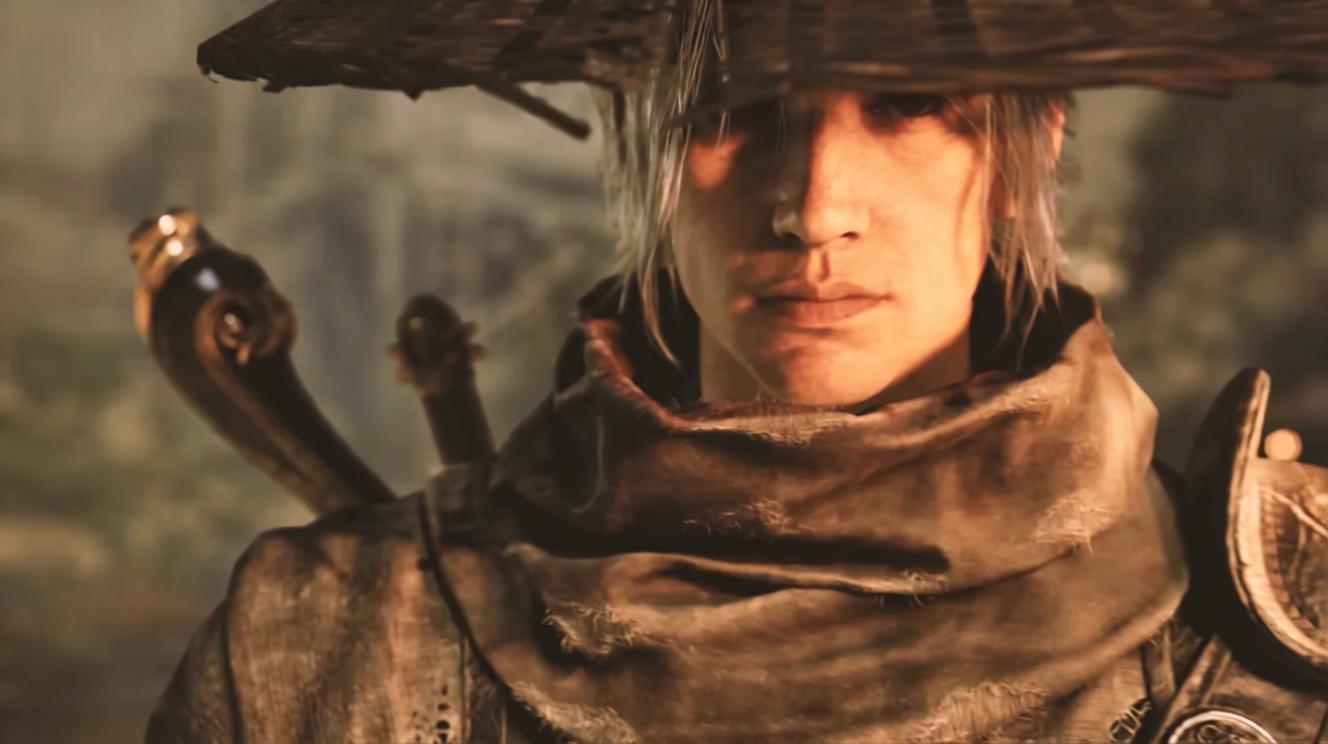
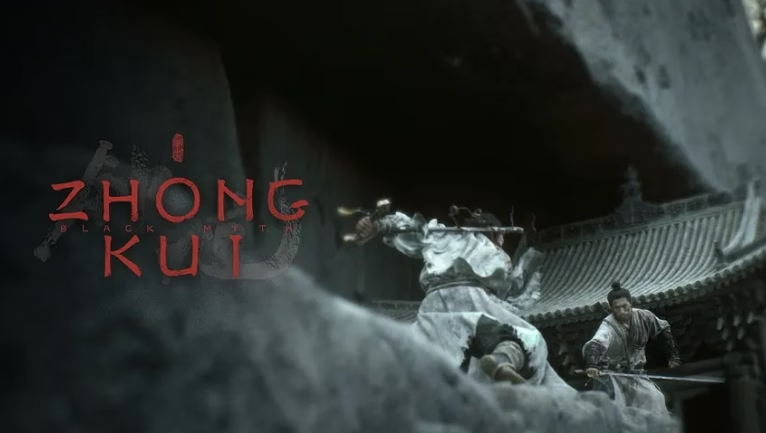
The protagonist fights primarily with a sword, and the attacks feel more deliberate. Instead of the almost acrobatic rhythm of Wukong's staff combat, the footage shows more direct clashes between weapons and enemies.
That difference matters.
A sword naturally creates a different relationship between the player and an enemy. Distance becomes more important, attack timing becomes easier to read, and every clash feels more personal.
The August 2026 demo showed sword combat, supernatural enemies, and several encounters that suggest Game Science is experimenting with a more reactive combat loop. However, because the footage is from an early build, it would be premature to treat every observed mechanic as final.
Defensive Combat Looks More Important
This is where Zhong Kui could make the biggest gameplay improvement over Wukong.
Wukong certainly had defensive options, including dodging and the Rock Solid spell, but its basic combat identity was heavily built around movement and avoiding attacks.
The Zhong Kui footage appears much more interested in direct weapon interaction.
Several clashes in the demo show the protagonist meeting enemy attacks with his sword, leading to sparks, stagger reactions, and counterattack opportunities. Some outlets have interpreted these moments as evidence of a dedicated parry system.
I would still be careful about calling every clash a confirmed parry mechanic. Game Science itself has not published a complete combat manual, and the studio explicitly warns that the footage comes from an early development build and that final content may change.
But even without assuming too much, the direction is obvious: Zhong Kui appears to put greater emphasis on reacting to enemy attacks rather than simply avoiding them.
If Game Science gets the timing right, that could make boss fights feel much more interactive.
The Sword Changes the Entire Feel of Combat
Wukong's staff was one of its defining features. The different stances and animations gave the Destined One a distinctive fighting style that immediately separated the game from other action RPGs.
Zhong Kui doesn't have that luxury.
Instead, Game Science has to make sword combat interesting enough to carry the experience.
From the footage we've seen, the developers seem to be focusing heavily on weight, timing, impact, and close-range clashes. The protagonist's attacks look less like a continuous acrobatic routine and more like individual decisions.
That could make the game feel closer to a traditional martial-arts action game while retaining the supernatural spectacle that made Wukong so enjoyable.
Elemental Effects Look More Dynamic
Another particularly interesting improvement is how elemental effects appear to interact with combat.
The gameplay footage shows the protagonist drawing fire into his weapon and later using lightning-related effects. This gives the impression that elemental power isn't simply a menu-based ability that you activate whenever its cooldown becomes available.
Instead, the environment and enemy encounters appear to play a role in how these effects are used.
That's potentially a big improvement because it could make combat feel more reactive.
Imagine fighting a boss whose attacks create a particular elemental opportunity, then turning that mechanic against the boss. That's much more interesting than simply waiting for a spell cooldown.
However, this is another area where we should avoid presenting speculation as confirmed mechanics. The current footage demonstrates elemental effects, but Game Science has not yet provided a complete explanation of the underlying system.
The World Looks More Interactive
One of my biggest complaints about Wukong wasn't its graphics. The game looked fantastic.
It was the feeling that some parts of its beautiful environments were more like carefully constructed paths than genuinely explorable spaces.
Game Science appears to be aware of that criticism.
The studio has previously acknowledged its desire to examine shortcomings from Wukong and create a new experience with different ideas.
The game's new footage adds an extra element of adventure, with our hero striding through odd environments and having encounters with unusual creatures and environmental elements. Of course, that does not mean Zhong Kui is going to be a fully open world game – we don’t know if there will even be enough there to support that premise.
What we can say is that exploration and environmental presentation are clearly being given considerable attention.
Enemy Designs Are Even Wilder
If you thought Wukong had some bizarre enemies, Zhong Kui seems ready to push that idea even further.
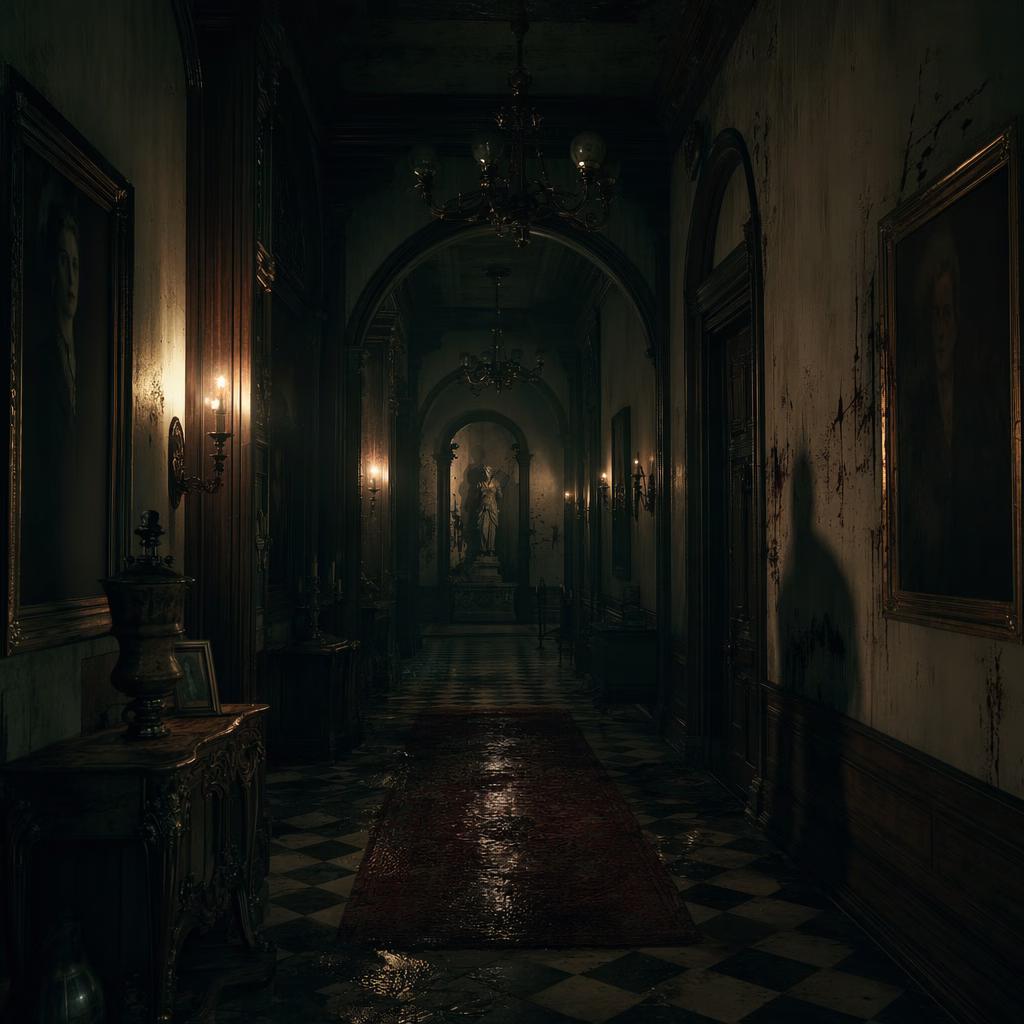
The gameplay demo features supernatural creatures inspired by Chinese folklore, including an enormous clam-like boss and other strange enemies. The visual designs are exactly the kind of thing I want from a Black Myth game: familiar cultural inspiration filtered through Game Science's very strange imagination.
This is important because enemy design isn't just visual decoration in an action RPG.
The best bosses in Wukong were memorable because their attacks, arenas, personalities, and visual identities all worked together. If Zhong Kui can build on that foundation, its boss encounters could become one of the game's biggest strengths.
Animation and Presentation Have Taken Another Step
This might be the least surprising improvement, considering Wukong was already an extremely attractive game.
Still, the new footage looks impressive.
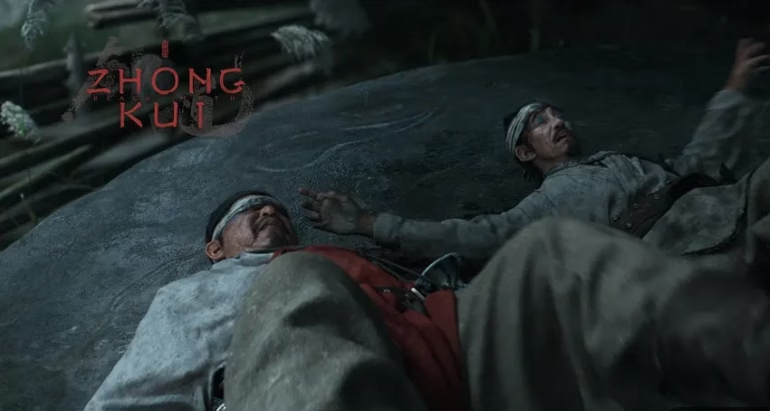
Character models have more subtle facial and body details, environmental scenes appear denser, and combat animations have a stronger sense of physical impact. The presentation is clearly benefiting from Game Science's experience with Unreal Engine 5 and from the lessons learned while producing Wukong.
The studio has also suggested that it wants to improve combat interaction and presentation rather than simply repeat what worked previously.
The result is a game that already looks technically impressive despite being explicitly described as work in progress.
Zhong Kui Feels Less Like a Sequel
This is perhaps the most important distinction.
I wouldn't approach Zhong Kui expecting Wukong 2.
Game Science itself describes Zhong Kui as the second Black Myth project rather than simply continuing the Destined One's adventure. The studio has also said it wants to explore new gameplay and narrative ideas after completing Wukong.
That approach is actually encouraging.
One of the biggest risks with a successful game is becoming too conservative. Game Science could have taken Wukong's combat system, replaced the monkey with another character, added more bosses, and called it a day.
Instead, the early footage suggests the team is experimenting with a different protagonist, different combat language, and different presentation.
What Hasn't Been Confirmed Yet?
This is where I would pump the brakes before getting too excited about every trailer breakdown online.
The August 20 footage is explicitly from an early development build, and Game Science says the final game may differ. The studio has also not announced a release date.
Some features discussed by the community, such as detailed parry rules, summons, character-switching systems, mounts, or specific progression mechanics, should therefore be treated carefully until Game Science officially explains them.
We know what the footage shows.
We don't yet know how all those systems will work in the finished game.
That distinction is especially important when discussing a game this early in development.
Will Zhong Kui Be Better Than Wukong?
That's impossible to answer right now.
Wukong is a finished game that players have spent hundreds of hours mastering. Zhong Kui is still being developed.
What we can say is that Game Science appears to be targeting several areas where a follow-up can improve.
The combat looks more reactive. Swordplay creates a different rhythm from Wukong's staff fighting. Environmental presentation appears more ambitious. Enemy designs remain imaginative, while the overall visual quality has clearly benefited from the studio's experience.
Most importantly, Zhong Kui doesn't look afraid to be different.
What I Expect From the Final Game
If Game Science can turn what we're seeing into a complete combat system, I think Zhong Kui could end up being a much more technical action game than Wukong.
I'd love to see a combat system where reading an enemy's attack is just as important as knowing your own combo. Give players meaningful parries, counters, elemental interactions, and sword techniques, then design bosses around those systems.
That's where Zhong Kui could really separate itself.
Wukong was at its best when you entered a boss fight, got destroyed a few times, learned the patterns, and eventually started making the fight look easy.
Zhong Kui has the opportunity to push that feeling even further. If you're still interested in the original game, comparing affordable Black Myth: Wukong Key offers on DealNest can help you check CD-key prices from different retailers and find a deal that fits your budget.
Conclusion
Black Myth: Zhong Kui shows Game Science taking bold new steps with grounded swordplay, tighter defensive mechanics, and richer visuals rather than just repeating their first game's formula. While early demo details and mechanics are still subject to change, expanding on these ideas while keeping the stellar boss fights and atmosphere of Wukong makes Zhong Kui an exciting next chapter to watch.