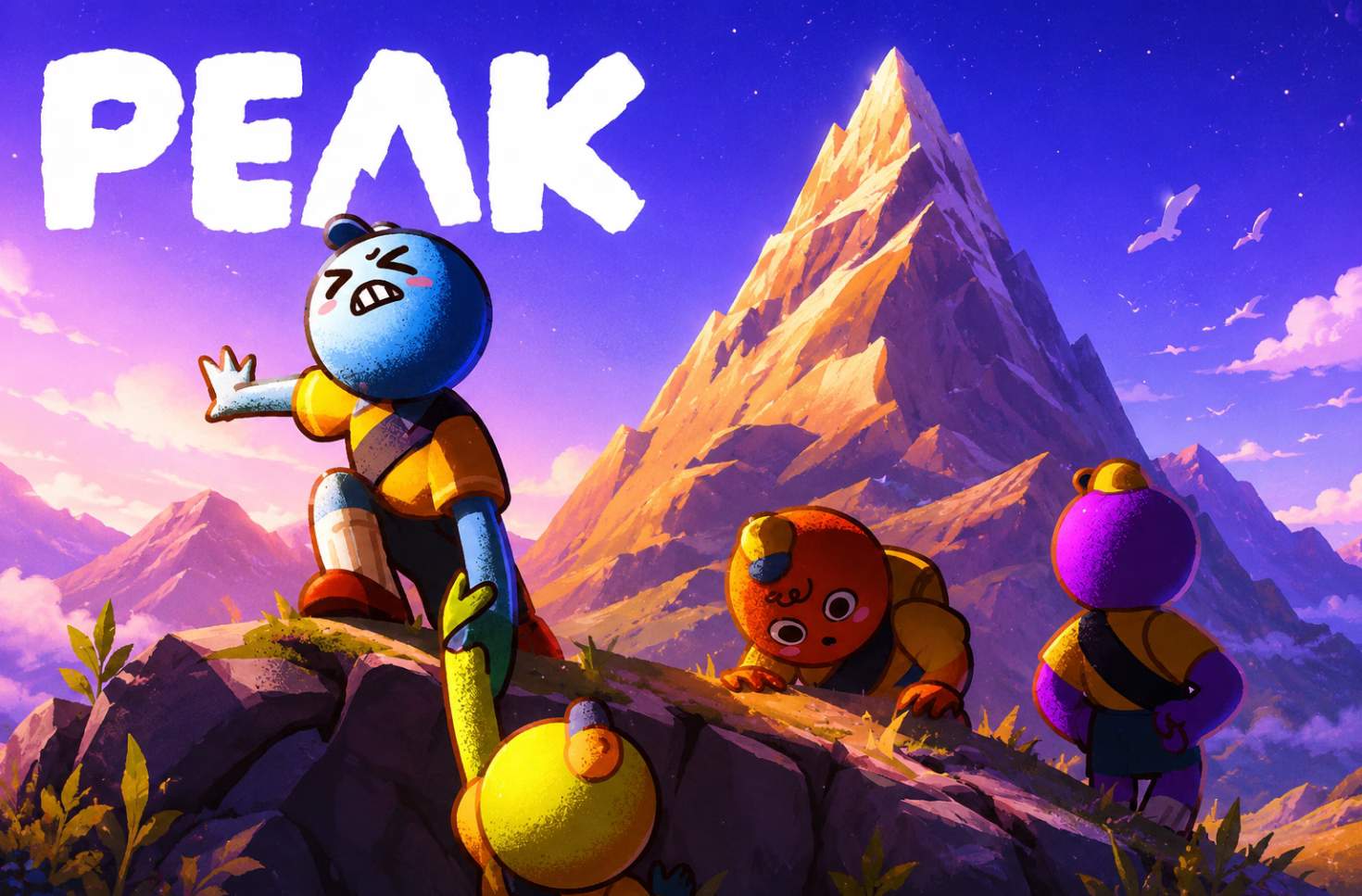
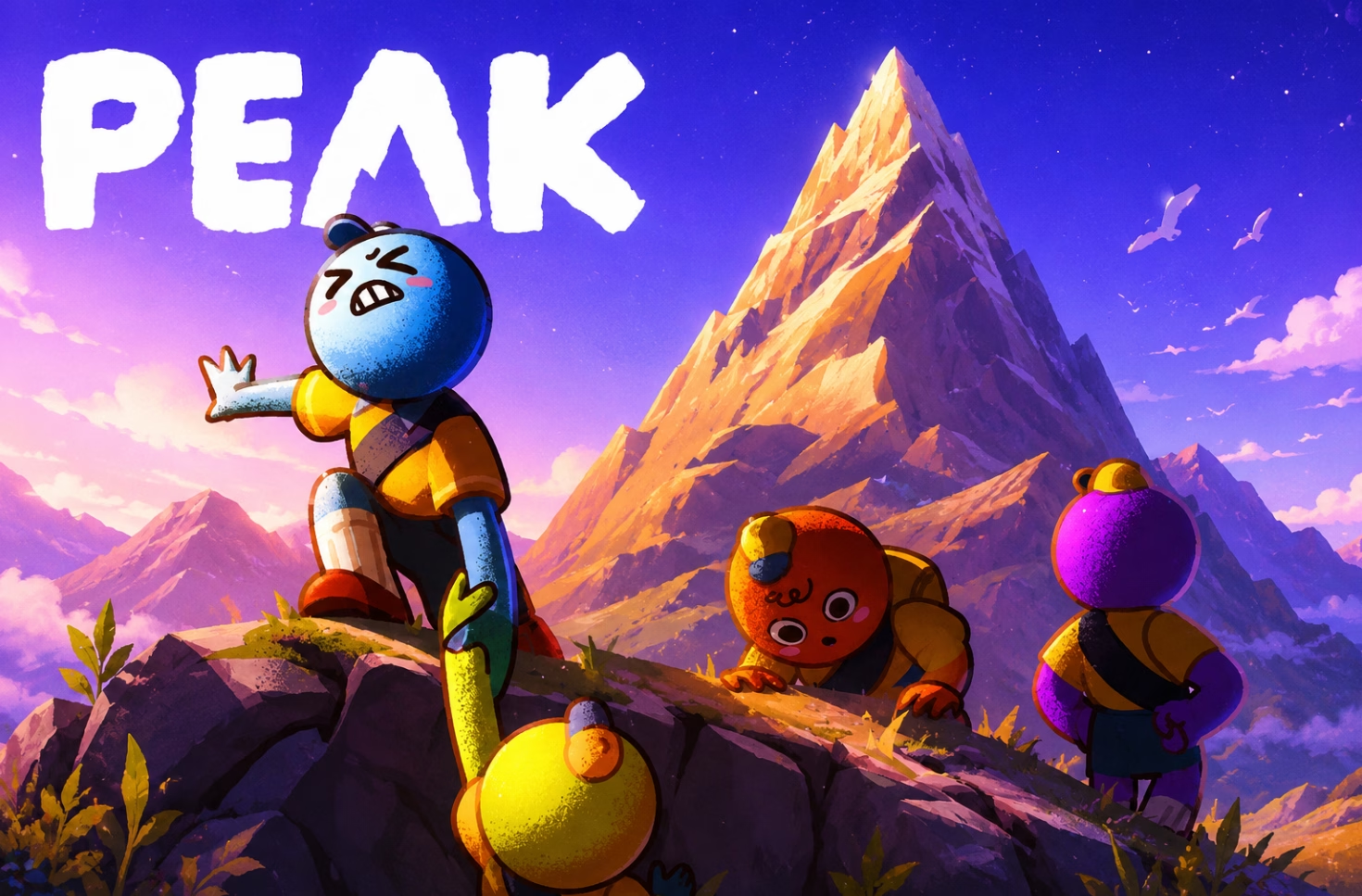
PEAK is a cooperative climbing survival game that turns every expedition into a test of teamwork, planning, and adaptability. Developed by Landcrab and published by Aggro Crab and Landfall, the game drops up to four players onto a mysterious island where the only objective is to reach the summit. While the goal sounds simple, the journey is filled with dangerous terrain, limited resources, unpredictable hazards, and permanent consequences for careless decisions.
If you're preparing for your first climb or looking to improve your survival skills, this guide covers everything you need to know before playing PEAK.
Looking for a reliable PEAK Key price comparison platform? Visit dealnest now!
What Is PEAK?
A physics co-op climbing game where your run through each procedurally generated island will never be the same as the last! You won't be battling enemies here. Instead, each island provides its own unique environmental challenges you'll need to solve through careful rock climbing, across precariously exposed terrain, by skillfully managing your stamina, and by cooperating.
How the Core Gameplay Works
PEAK takes the standard survival game setup in a whole new direction - a vertical direction. Your party starts at the foot of the island and climbs a series of forests, ice formations, active volcanoes, and treacherous mountains and cliffs on the way up to the peak.
This ascent relies on resource management and smart choices for the best paths up while managing stamina. Often your companions have to assist you, so if you fall one of the levels, your entire trip may have to end or get a difficult team rescue situation.
Teamwork Is More Important Than Individual Skill
Despite having technically achievable solo routes, PEAK has been optimized for cooperation. The party will likely pull the other up a small wall, throw down another length of rope over the canyon between two peaks, the other can hold and throw back their gear as required or even revive the other before they fall into one of PEAKS deadly gorges permanently, an impassible jump for a lone climber is a triviality for a well drilled group. One should especially strive to make and share decisions of path choice or to advise on what path is the most dangerous and to share vital equipment, with communication group climb times and peak height will usually always beat lone ascenders well.
Learn How Stamina Works
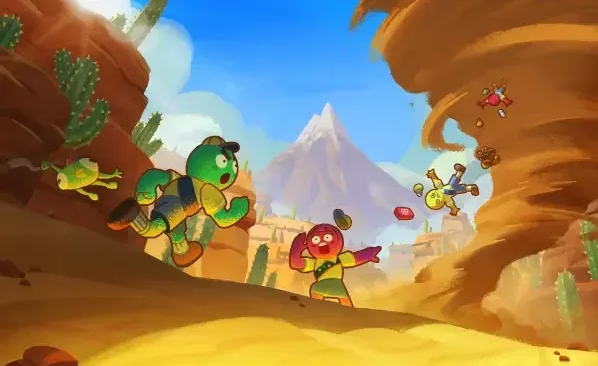
Perhaps one of PEAK’s most crucial mechanics. Stamina applies to the vast majority of climbing-centric moves that you'll encounter within the game; climbing cliffs, hanging off ledges, and transporting equipment will have all have Stamina effects. Deplete your Stamina entirely while hanging from a perch and you’ll undoubtedly descend a long and bumpy trip to the ground, which you can usually either severely injure or straight-out end. Therefore, staying focused on stamina will involve the act of “micro-climbing” and taking advantage of resting locations found all over environments, while keeping movement to a minimum and always conserving energy as a higher-priority task.
Watch Your Health and Injuries
Surviving in PEAK goes far beyond simply avoiding falls. It all adds up When players take hits from longfalls, poisonous vegetation, extreme temperatures and other deadly factors on the islands of PEAK, they take damage and their abilities falter. This is made much worse when trying to advance deeper in the levels.
Medical supplies in PEAK are few and far between, forcing you to think twice about when to deploy them.
Many players will find it better to power through an early climb with superficial wounds than waste healing resources on less pressing injuries.
Always Search for Useful Equipment
During every climb, you'll learn to locate all equipment to give you the best odds of summiting the mountain. Every one will gain the benefit from a rope that's great for tougher climbs for everyone in the game. Players will learn how to use a pitons to place hand grips along treacherous cliffs and how to use a medickit and food supplies for healing and stamina regain. In inventory space for items that characters collect, team players will have the know-how on what kind of items the whole team carries.
Every Biome Introduces New Challenges
As you climb higher, the environment changes significantly.
- Forest Region
The early forest area serves as the introduction to climbing mechanics. While relatively forgiving, it teaches players how to manage stamina, locate supplies, and work together before more difficult challenges appear.
- Mountain Cliffs
Steeper terrain begins testing precise climbing skills. Longer ascents require careful stamina management, and mistakes become far more punishing than in earlier areas.
- Snow Region
The cold areas also put freezing challenges upon the players which deplete their resources slowly. The slippery area reduces the climbing capability which necessitates careful movement while rationing.
- Volcanic Areas
Later sections feature dangerous lava zones, unstable terrain, and more complex climbing routes. By this point, efficient teamwork and smart equipment usage become essential for survival.
Resource Management Can Decide an Entire Run
A very common newbie mistake is to just use all of your useful items whenever you find something.PEAK rewards smart play! Rationing ropes for the trickiest climbs, not wasting heal items on things that don’t really threaten you, and saving the useful stamina items often result in a less frantic and more profitable run. As things tend to get harder (meaning items become rarer) on higher floors, better planning at the beginning of your adventure almost always gives an edge later on.
Expect Every Expedition to Be Different
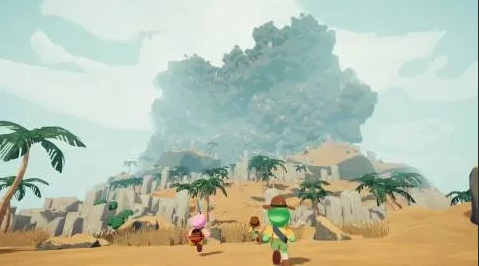
PEAK’s greatest feature is its inherent replayability Procedural generation is the name of the game, creating new challenges throughout your PEAK expedition in the form of changing climbing routes, variable loot positions, procedural land formations, and divergent paths to discover. There isn’t enough space for even PEAK veterans to be able to memorise the whole of the generated landscape which leads to infinite fresh and unpredictability each time you venture onto the slopes, as no single climb is the same as the last. This emphasizes adaptiveness over memorisation; your reliance on good strategy and cooperation, rather than route remembrance and rote task management.
Tips for New Players
Stay Close to Your Team
Straying can lead to dangerous hazards. When staying close to hand so they can aid any member of their team that does tumble down or become isolated.
Don't Rush Difficult Climbs
This is the cause of a high number of accidents where players often attempt to make a quick upward climb. A few seconds to recover stamina is often far less risky that a long drop.
Share Equipment
Instead of everyone carrying identical items, distribute supplies across the team. This allows your group to respond to different situations more effectively while maximizing limited inventory space.
Learn from Every Failed Expedition
Failure is part of PEAK's progression. Each unsuccessful climb teaches better stamina management, smarter route planning, and improved teamwork for future attempts.
Is PEAK Worth Playing?
PEAK is great, especially if you dig on coop survival games that lean more on teamwork than fighting. Combining the rock-climbing of physics games, dynamically built landscapes and helpful resources that feel substantial as well as demanding, the game is full of memorable, repeatedly playable expeditions. Because even with your dearest friends and a team of fully supplied peak contenders, you probably didn’t get to the top because everything went according to plan - it’s because you knew when to break plan, when to call an audible, and when to watch your partner fall down a crevasse and pray for the best.