I still remember the first time I climbed that mysterious tower in 2019. What started as a casual indie game recommendation from a friend turned into hundreds of hours of strategic card-slinging addiction. Slay the Spire wasn't just another game for me—it was a revelation that completely transformed how I think about deckbuilders and roguelikes. Who could have predicted that an indie studio called Mega Crit would revolutionize an entire genre with such elegant simplicity?
🎮 The Birth of Something Special
When I first launched Slay the Spire, I honestly didn't know what to expect. The concept seemed straightforward enough: climb a tower, fight monsters, collect cards. But what made this game different from everything else I'd played? The answer lies in its brilliant fusion of mechanics that had never been combined quite like this before.
Unlike traditional card games such as Hearthstone or Magic: The Gathering where I spent months building the perfect permanent collection, Slay the Spire offered something refreshingly different. Every single run meant starting from scratch, building a completely new deck from the ground up. This wasn't about grinding for cards—it was about making smart decisions in the moment.
The Revolutionary Gameplay Loop
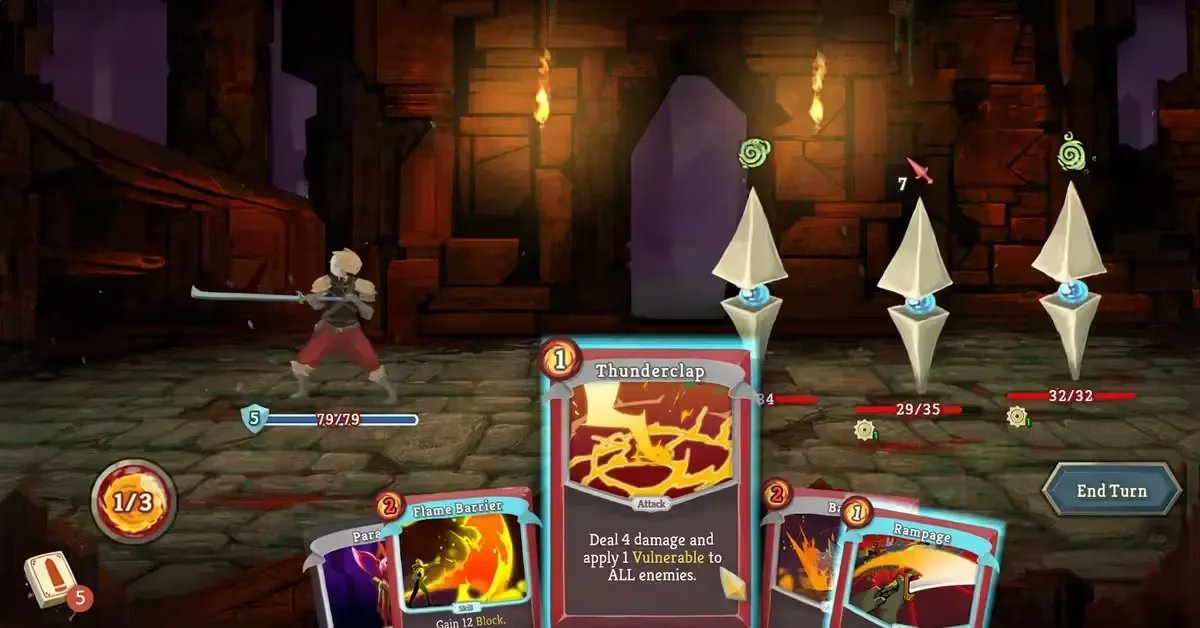
The tower structure itself became my playground of strategic possibilities. Each floor presented me with crucial decisions:
-
Combat encounters - Test my current deck against various enemies
-
Elite battles - High risk, high reward fights with better loot
-
Treasure rooms - Powerful relics that could define my entire run
-
Shops - Opportunities to purchase specific cards or remove bad ones
-
Random events - Mysterious choices with unpredictable outcomes
-
Rest sites - Heal up or upgrade a card
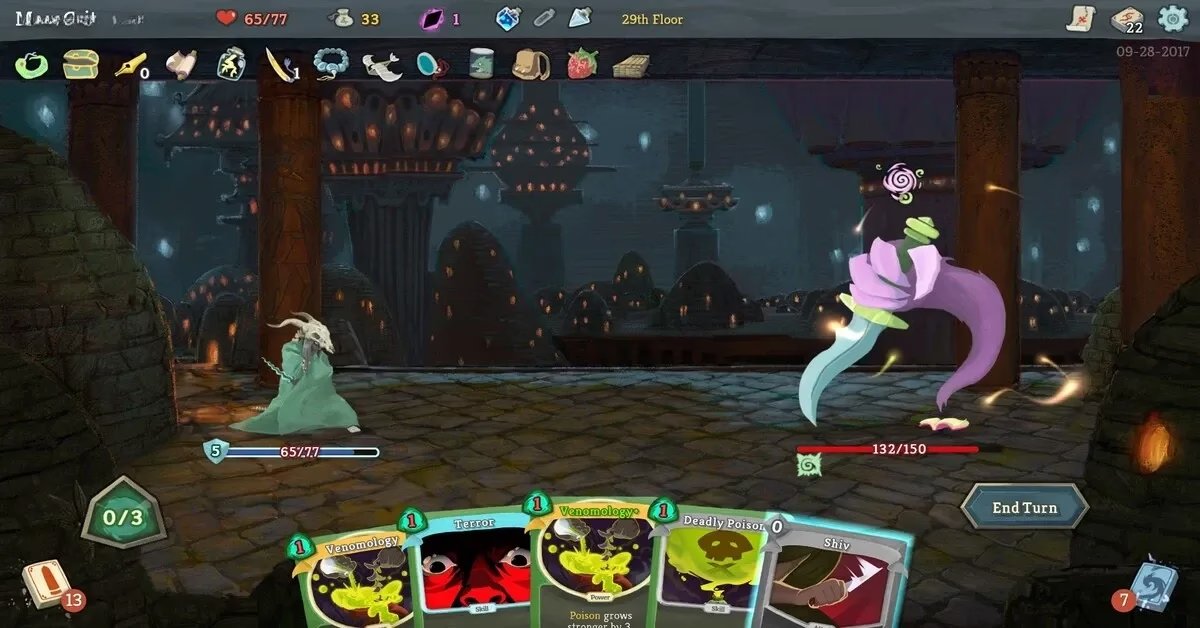
Every decision mattered. Should I take the risky path through elite enemies for better rewards, or play it safe and hit the shops? These weren't just random choices—they were strategic calculations that could make or break my entire run.
🃏 The Deep Strategic Layer That Kept Me Hooked
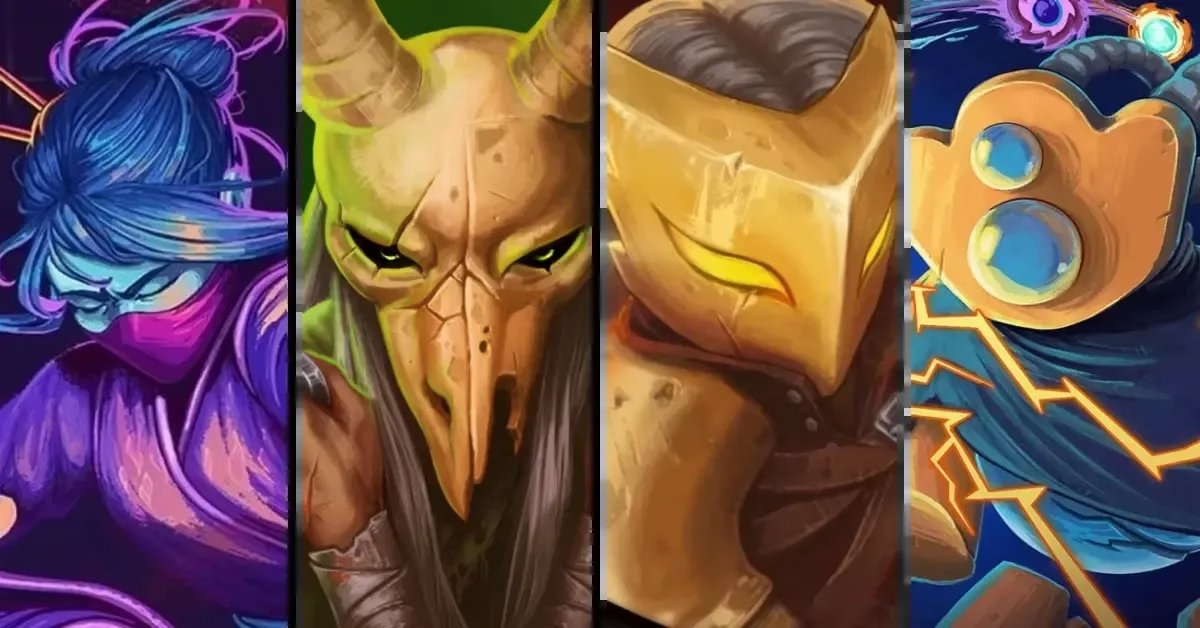
What really captured my attention was the incredible depth hidden beneath the game's simple surface. Each of the four playable characters offered completely different approaches to combat:
Character Breakdown
| Character | Core Mechanic | Playstyle |
|---|---|---|
| Ironclad 💪 | Self-healing and raw power | Aggressive front-loaded damage |
| Silent 🗡️ | Poison and cheap card spam | Death by a thousand cuts |
| Defect ⚡ | Orb system with complex combos | Technical and calculation-heavy |
| Watcher 🧘 | Stance switching mechanics | High skill ceiling mastery |
I spent countless hours mastering each character's unique card pool. The Ironclad taught me about sustain and brutal strength. The Silent showed me the beauty of gradual poison builds. The Defect challenged my mathematical thinking with orb calculations. And the Watcher? That character took my understanding of the game to entirely new levels with its stance-dancing mechanics.
The Energy System That Makes Sense
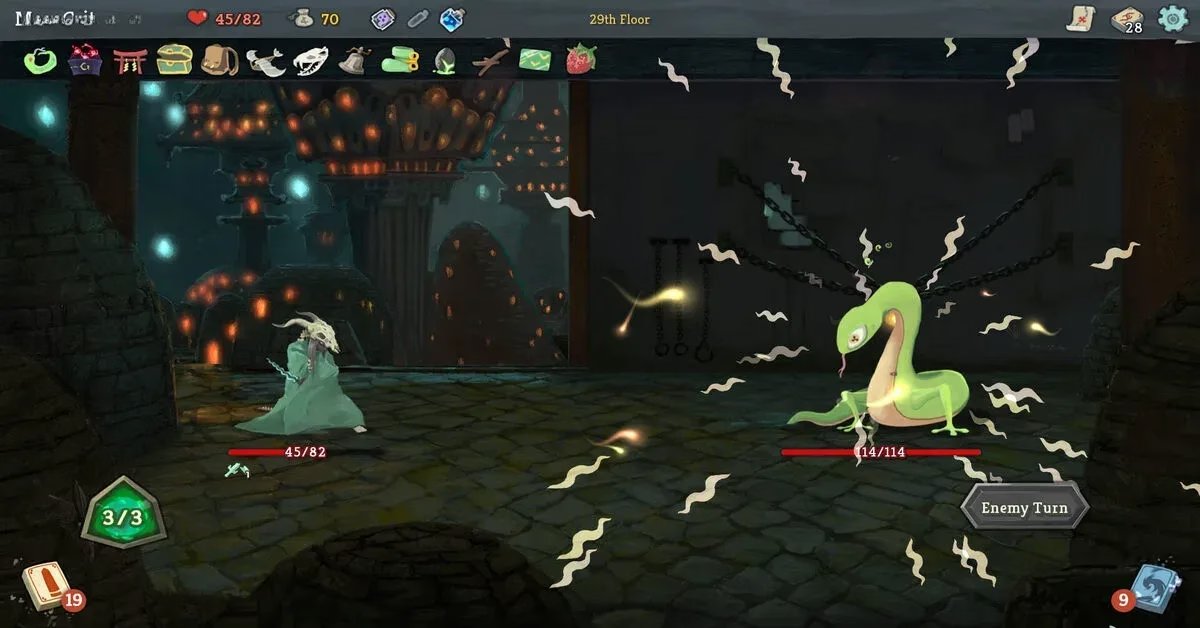
Unlike some games where resource management feels arbitrary, Slay the Spire's energy system clicked with me immediately. Each turn I'd get a certain amount of energy to spend on cards. But here's the brilliant part—I could see exactly what the enemy would do next turn. This transformed combat from random chaos into a tactical puzzle:
-
Do I block that incoming 25 damage attack?
-
Or do I go aggressive and try to kill the enemy before they hit me?
-
Should I save energy for next turn's combo?
These split-second decisions created an engaging rhythm that never got old.
🎲 The Magic of Relics and Synergies
One of my favorite aspects has always been the relic system. These permanent (for that run) items could completely transform my strategy. I've had runs where a single relic opened up build possibilities I'd never considered before. Some of my most memorable moments:
-
Finding Dead Branch with the Silent and creating infinite card generation loops
-
Combining Snecko Eye with high-cost cards for absolutely broken value
-
Discovering Corruption + Dark Embrace + Feel No Pain for the ultimate Ironclad infinite
The beauty of Slay the Spire lies in these emergent synergies. I never knew what kind of deck I'd end up with, but adapting to the cards and relics I found became second nature over time. Some runs gave me focused poison builds, others turned into block-stacking defensive fortresses, and occasionally I'd stumble into game-breaking infinite combos that made me feel like a strategic genius.
⏱️ The "Just One More Run" Phenomenon
Why did I lose so many weekends to this game? The run length was perfect. At 30-60 minutes per attempt, each run felt substantial but never overwhelming. I could squeeze in a quick climb during lunch breaks or sink an entire evening into multiple attempts at higher Ascension levels.
The pause-and-save feature was genius too. Life happens, but I never had to abandon a promising run halfway through. This respect for my time made the game incredibly accessible despite its challenging nature.
The Learning Curve That Rewards Mastery
I won't lie—my first dozen runs were disasters. I picked cards that looked cool but had no synergy. I fought every elite enemy and died exhausted. I bought expensive cards without considering my deck's strategy. But that's what made improvement so satisfying!
Over time, I learned:
-
Deck thinning is often better than adding more cards
-
Removing starter cards can be more valuable than buying new ones
-
Energy relics are almost always worth the downside
-
Act 1 elites are crucial for getting strong enough for later acts
-
Synergy matters more than individual card power
The community resources helped tremendously. I devoured tier lists, watched skilled streamers, and participated in strategy discussions. The Steam Workshop modding community added even more content when I thought I'd exhausted the base game. New characters, custom cards, and additional challenges kept the experience fresh for years.
🚀 Enter Slay the Spire 2: A New Chapter Begins
When Mega Crit announced a sequel, I had mixed feelings. Could they capture that magic again? Would they mess with the formula too much? Then March 5, 2026 arrived, and I got my answer within the first few hours of playing.
Slay the Spire 2 respects everything that made the original special while expanding the possibilities in exciting ways. The developers didn't try to reinvent the wheel—they made it roll smoother and added some rocket boosters.
What's New and Exciting? 🎁
The tower climb remains familiar, but with enhanced depth:
-
Expanded card pool - Over a hundred new card concepts were tested and refined
-
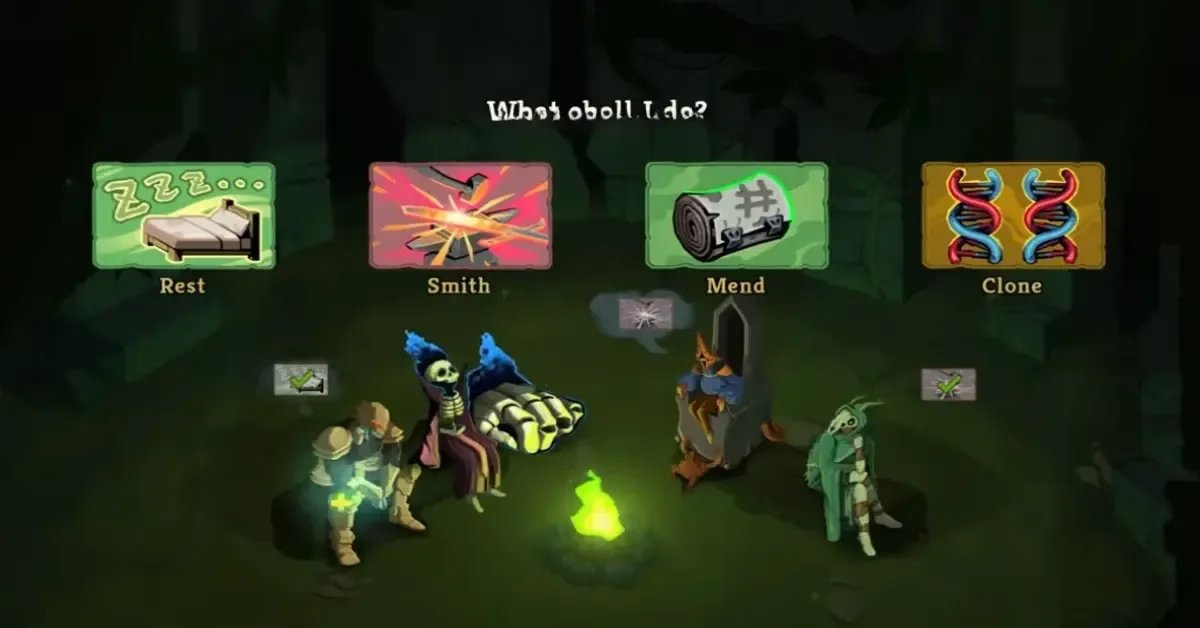
New characters - The Necrobinder brings a completely fresh summoner playstyle with a skeletal hand companion
-
Returning favorites - Ironclad and Silent are back with refined mechanics
-
Four player co-op - Finally, I can share this experience with friends!
-
Godot engine - Switched from Unity for better long-term development flexibility
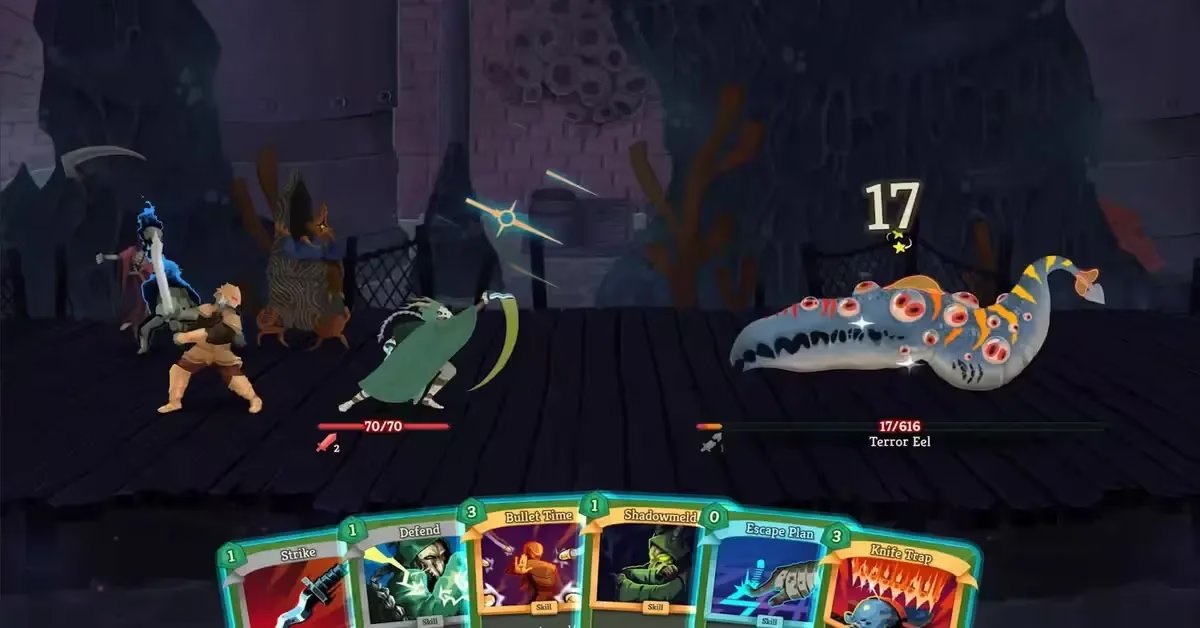
The co-op mode is a game-changer for me. Climbing the tower with three friends creates entirely new strategic possibilities. We can:
-
Share relics and coordinate builds
-
Combine card synergies across multiple decks
-
Make group decisions on map routing
-
Support each other during tough elite fights
-
Debate strategies in real-time
Does this dilute the solo experience? Not at all—it's a completely different way to enjoy the game. Solo runs still offer that intimate strategic puzzle-solving I love, while co-op provides social chaos and collaborative planning.
Early Access Success 📈
The numbers speak for themselves. When Slay the Spire 2 launched in Early Access, it immediately hit around 400,000 concurrent players on Steam. That's an absolutely massive showing for an indie game, demonstrating just how much the community has been waiting for this sequel.
The developers plan to keep it in Early Access for one to two years, actively collecting feedback and implementing changes. Regular updates will bring:
-
New cards and mechanics
-
Additional characters beyond the current four
-
More enemies and bosses
-
Balance adjustments based on community data
-
New events and story content
I'm excited to be part of this development journey. Watching the game evolve based on player feedback while maintaining that core Slay the Spire magic feels special.
🏆 The Legacy of an Indie Masterpiece
Looking back at my journey with this series, I'm struck by how much one game influenced an entire genre. Slay the Spire didn't just create a successful title—it spawned a whole category of "roguelike deckbuilders" that didn't really exist before 2019.
Games like Monster Train, Wildfrost, Inscryption, and dozens of others owe their existence to the path Mega Crit blazed. But what makes Slay the Spire special isn't just that it was first—it's that it remains one of the best. Even in 2026, the original game still maintains a strong player base on Steam, competing with modern releases.
Why Does It Still Matter? 🤔
The answer lies in its perfect balance:
✅ Strategic depth without overwhelming complexity
✅ Random elements that create variety without feeling unfair
✅ Quick runs that respect your time
✅ High skill ceiling with room for continuous improvement
✅ Replay value that lasts hundreds of hours
✅ Community support through mods and updates
Every run tells a different story. Sometimes I'm the unstoppable Ironclad with infinite block. Other times I'm the Silent assassin killing enemies before they can even attack. Occasionally I'm the Defect channeling lightning and calculating perfect orb management. And when I'm feeling particularly skilled, I'm the Watcher dancing between stances with frame-perfect precision.
🎯 Final Thoughts from a Devoted Player
Slay the Spire changed how I think about game design. It proved that indie studios with innovative ideas can create experiences that rival AAA productions. It showed that roguelikes don't need complex graphics or massive budgets to be engaging—they need smart systems that create emergent gameplay.
As I continue climbing towers in Slay the Spire 2, I'm confident that Mega Crit has lightning in a bottle twice. The sequel respects the original while expanding in meaningful ways. The co-op mode gives me new ways to enjoy the experience with friends. The Early Access model ensures community involvement in shaping the final product.
Will Slay the Spire 2 reach the legendary status of its predecessor? Given the incredible launch numbers and the developers' proven track record, I'd bet everything on it. This isn't just a sequel—it's the evolution of a genre-defining masterpiece.
For anyone who hasn't experienced this series yet, you're in for a treat. Right now you can buy Slay the Spire 2 CD Key on DealNest for just $9.13—an all-time low at 63% off. And for fellow veterans who've already lost hundreds of hours to the original? Welcome back to the tower, friend. Let's climb it together this time. 🗼✨
Are you ready to build the perfect deck and conquer the spire one more time?