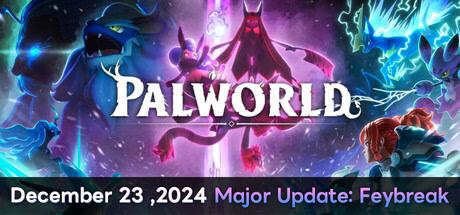
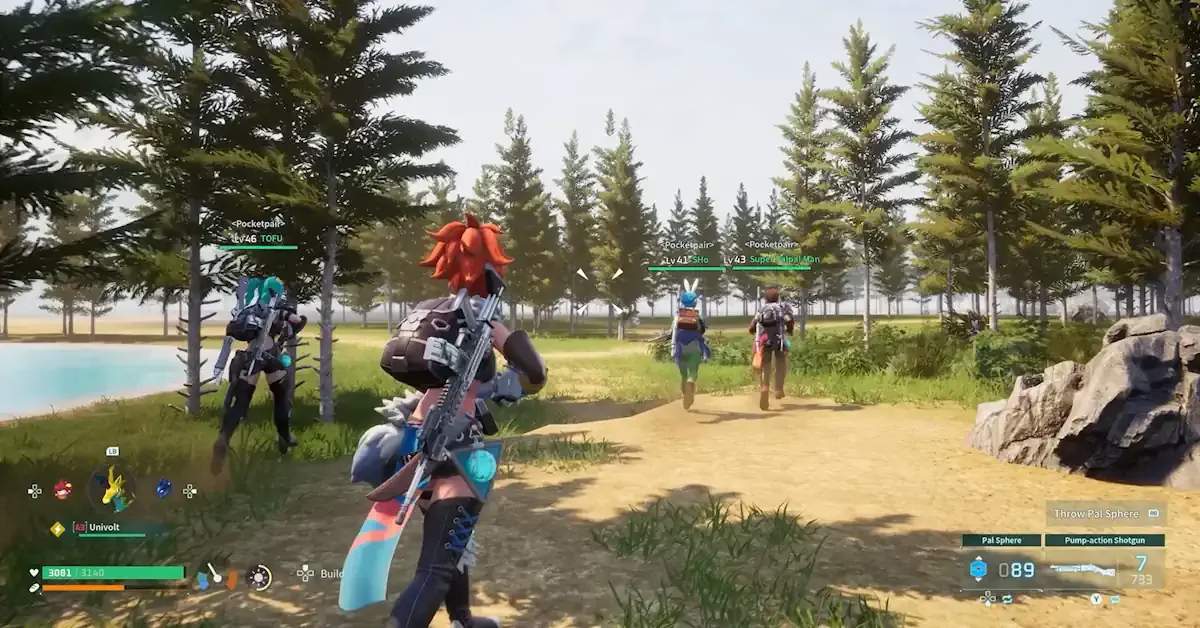
I've been following the gaming industry for years, and I can tell you that what's happening right now between Nintendo and Pocketpair is nothing short of extraordinary. The patent dispute over Palworld has just taken a dramatic turn that could reshape how we think about game development and intellectual property rights in this industry.
The U.S. Patent and Trademark Office has done something I never expected to see in my gaming career. Director John A. Squires has personally ordered a reexamination of one of Nintendo's key patents—the one covering a mechanic that allows players to summon a secondary character capable of fighting in different modes. This isn't just another routine patent review; this is like watching a referee step onto the field and blow the whistle on a play that everyone thought was already settled.
🎮 A Rare and Powerful Intervention
What makes this situation truly remarkable is that this reexamination wasn't requested by Pocketpair or any other company. The USPTO initiated it internally, which is about as common as finding a shiny legendary Pokémon on your first encounter. According to industry analyst Florian Mueller from Games Fray, Director Squires discovered that older patents from Konami (dating back to 2002) and even Nintendo itself (from 2019) already describe the same mechanic that Nintendo is trying to protect.
Think of it this way: Nintendo is like a chef claiming to have invented a recipe, only to have the food inspector find that same recipe in cookbooks sitting on Nintendo's own shelf. If the reexamination confirms these findings, Nintendo's patent could be canceled entirely—a devastating blow to their legal strategy.
This development comes hot on the heels of another setback for Nintendo. Just weeks ago, Japan's Patent Office rejected a similar complaint from the gaming giant, pointing to ARK: Survival Evolved as prior art. For a company with Nintendo's reputation and resources, these consecutive rejections are like watching a heavyweight champion stumble twice in the same round.
📊 The Stakes Are Higher Than Ever
| Aspect | Impact on Nintendo | Impact on Pocketpair |
|---|---|---|
| Patent Validity | Loses key legal argument | Gains stronger defensive position |
| Court Proceedings | U.S. lawsuits likely paused | Breathing room to continue development |
| Industry Reputation | Questions about patent strategy | Validation as legitimate developer |
| Financial Burden | Minimal impact | Potentially saved from costly litigation |
If this patent falls, Nintendo loses its primary weapon against Pocketpair. Courts in the United States would almost certainly pause any ongoing lawsuits until the reexamination process is complete. For Pocketpair, a smaller studio that can't afford to burn money on prolonged legal battles with an industry titan, this is like finding an oasis in the desert.
🏛️ A Watershed Moment for the Industry
Here's what really gets me excited about this case: it goes far beyond just Nintendo and Pocketpair. The U.S. Patent Office hasn't launched a director-initiated reexamination like this in over a decade. Industry experts believe the agency is sending a clear message about restoring trust and transparency in the patent process.
Director Squires has been vocal about his vision: only strong, defensible patents should be granted—not vague, overly broad ones that crumble under scrutiny like a sandcastle at high tide. This philosophy could fundamentally change how gameplay mechanics are protected (or not protected) going forward.
The Broader Implications
-
Creative Freedom: Developers may feel more confident innovating without fear of patent trolling
-
Industry Standards: Patent offices worldwide may adopt stricter examination criteria
-
Legal Precedent: Future disputes could reference this case as a turning point
-
Publisher Behavior: Major companies might reconsider aggressive patent strategies
Critics have long accused Nintendo of trying to monopolize gameplay ideas through overly broad patent protections. While the company certainly owns many legitimate and innovative patents, this case raises uncomfortable questions about where the line should be drawn. And Nintendo's troubles don't end here—the company faces two additional legal battles in Germany this December against a BlackBerry-affiliated licensing firm.
🚀 Pocketpair Pushes Forward
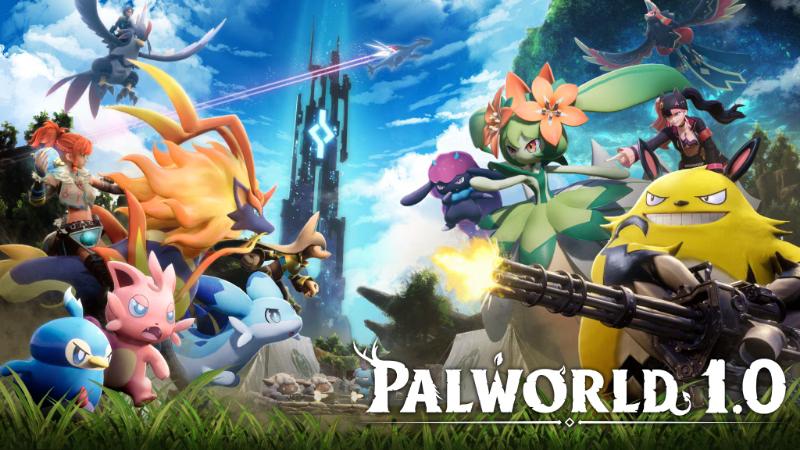
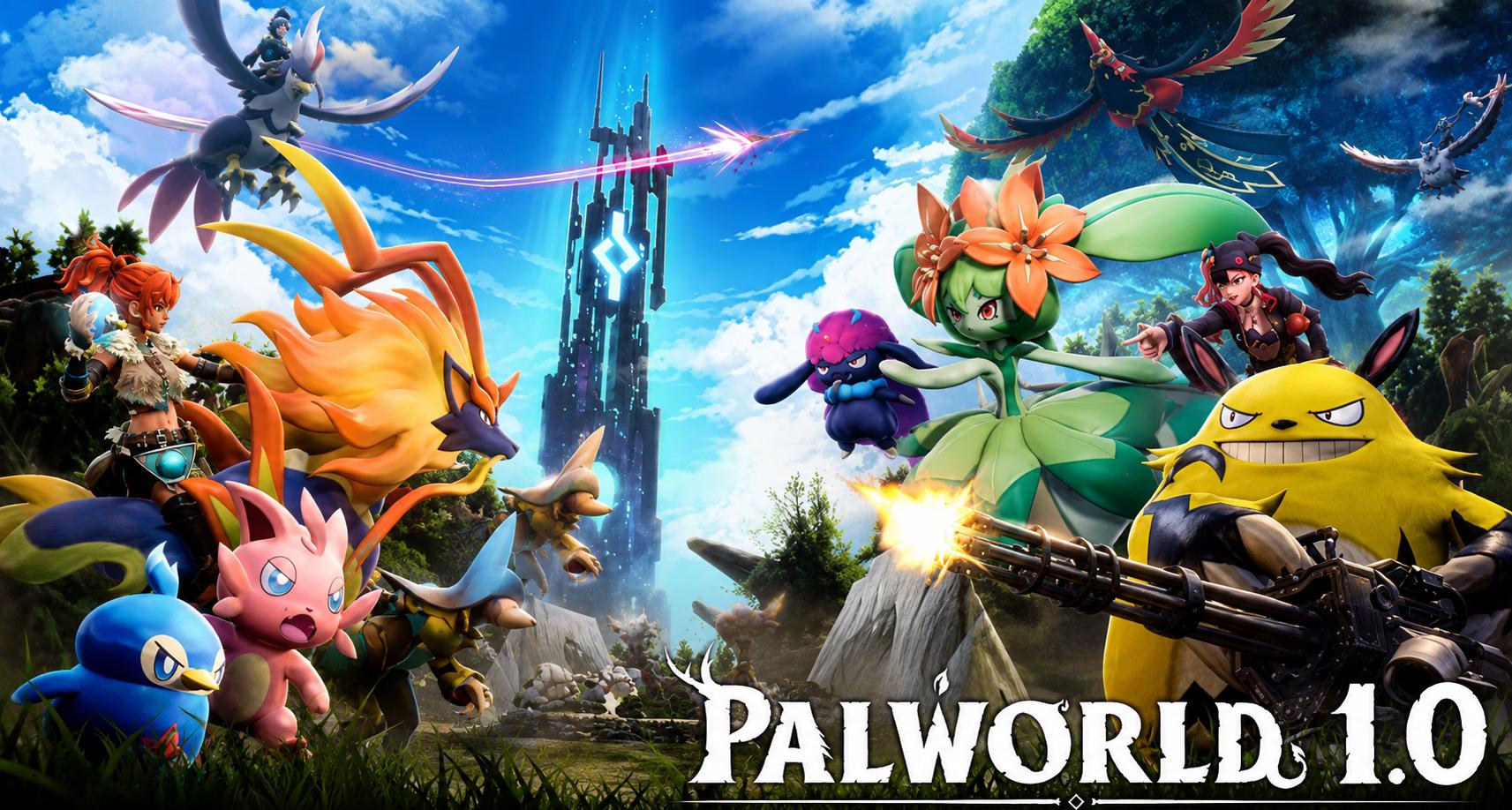
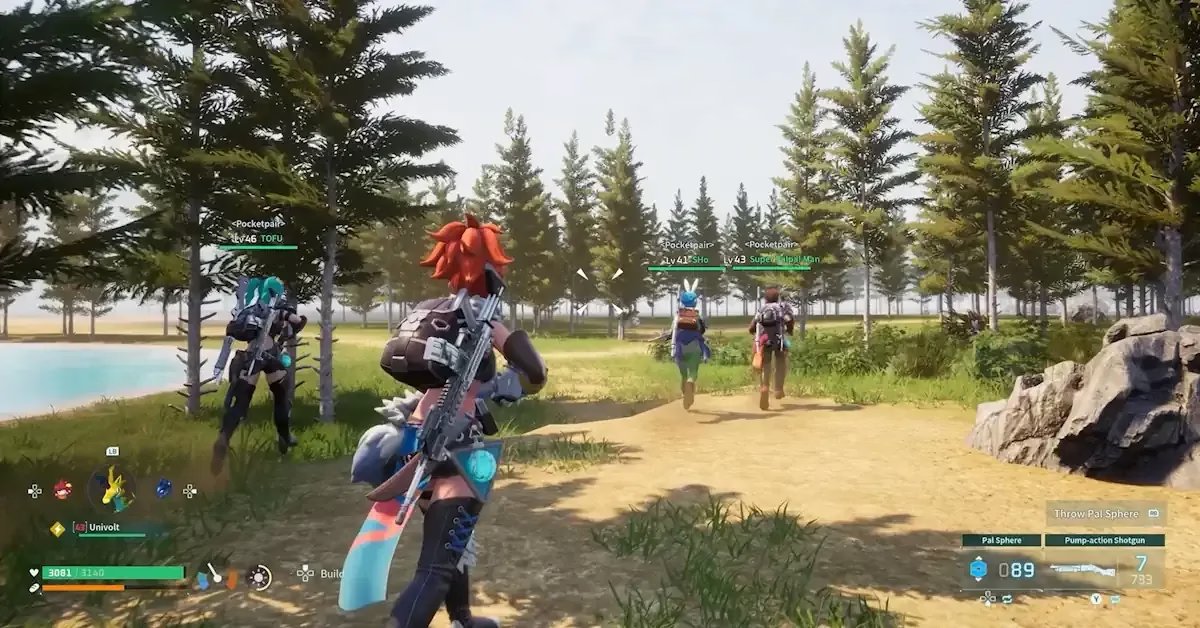
While lawyers argue in courtrooms, Pocketpair isn't sitting idle. I'm impressed by their determination to keep building despite the legal storm clouds. The studio has confirmed that Palworld 1.0 will release in 2026, exactly one year after its early-access debut.
Let me put Palworld's success in perspective for you:
-
32 million players across all platforms
-
25 million copies sold
-
One of the biggest indie hits of the decade
-
Massive success on Xbox Game Pass, but strong organic sales beyond that
These numbers don't lie. Palworld isn't just riding on controversy or Game Pass exposure—it's a genuinely successful game that players love.
🎯 Expanding the Palworld Universe
Pocketpair is thinking bigger than just one game. They've announced several exciting projects:
-
Pal♡world! ~More Than Just Pals~ – A romantic life-sim inspired by dating games (yes, you read that right)
-
Palworld: Palfarm – A farming and management title reminiscent of Stardew Valley
-
Dead Take – Developed by Surgent Studios and published by Pocketpair, already earning critical praise
The studio recently announced partnerships with Sony Music and Aniplex to accelerate global growth and expand beyond the Palworld universe. These moves show a company that's not just defending itself legally—it's actively building an empire.
💭 What This Means for Gaming's Future
I believe we're witnessing a potential paradigm shift in how the gaming industry handles intellectual property. For years, major publishers have filed increasingly broad patents on gameplay mechanics, creating a minefield for smaller developers. This case could be the moment when that era begins to end.
Think of the patent system as a garden. For too long, some companies have been planting weeds—vague, overly broad patents that choke out innovation. The USPTO's intervention here is like a master gardener stepping in to clear out those weeds and make room for genuine creativity to flourish.
Key Takeaways for Developers 🎮
-
✅ Prior art matters more than ever
-
✅ Patent offices are scrutinizing gameplay mechanic patents more carefully
-
✅ Smaller studios have a fighting chance against industry giants
-
✅ Innovation shouldn't be stifled by overly broad protections
-
✅ The legal landscape is shifting toward creative freedom
🔮 Looking Ahead
For Nintendo, this is a moment of reckoning. The company has built its reputation on innovation and quality, but this case raises questions about whether it's trying to protect legitimate innovations or simply monopolize common gameplay concepts. The outcome could force Nintendo to reconsider its approach to patent enforcement.
For Pocketpair, this development represents validation. They've created something players love, and now they're getting legal breathing room to continue building on that success. If the U.S. Patent Office ultimately invalidates Nintendo's patent, it could end this entire dispute in Pocketpair's favor.
The message from the USPTO is crystal clear: the era of unchecked gameplay patents might be ending. Whether you're a developer, publisher, or player, this case matters. It's about more than just Palworld or Pokémon—it's about the future of creative freedom in game development.
🎮 Where to Play Palworld
While this legal drama continues to unfold, you can experience Palworld for yourself on:
-
Xbox One
-
Xbox Series X|S
-
PC
-
PlayStation 5
-
Steam
The game remains available via Xbox Game Pass Ultimate and PC Game Pass, making it accessible to millions of players worldwide.
For those who prefer to own the game outright, you can compare Palworld prices and grab a CD key at an all-time low of just $4.34 on DealNest.
As I watch this situation develop, I'm reminded that the gaming industry is still young and evolving. The rules we establish now about patents, creativity, and competition will shape the games we play for decades to come. This isn't just a legal battle—it's a fight for the soul of game development itself. And right now, it looks like creativity might just be winning.